1. Skip to navigation
  2. Skip to content
  3. Skip to sidebar

Consumer Affairs

Why You Should Keep An Eye On Inflation

It may not be affecting Wall Street, but consumers are another story


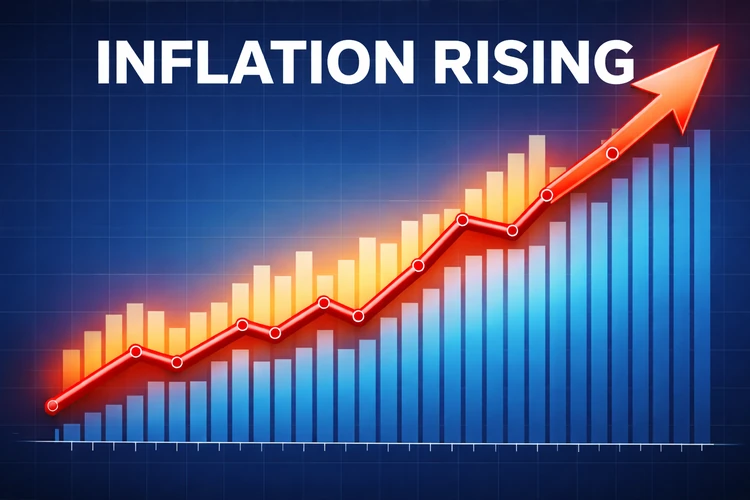
If consumers have learned anything during the economic turmoil of the last two years, it's that their interests and those of the financial world are often at odds. So when the financial world says it isn't worried about inflation, maybe consumers should be.

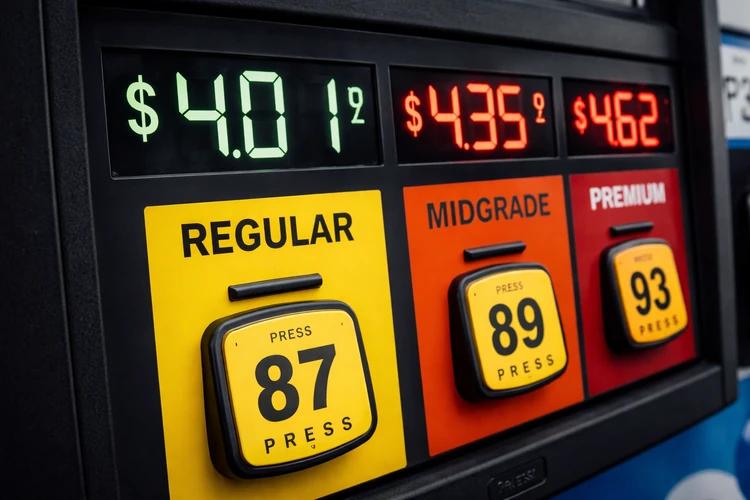
The inflation rate is currently running at around two percent, which isn't much. But consumers are paying a lot more for gasoline these days, with the average price of a gallon of gas up more than 30 cents from a year ago. That's a cost consumers feel every day. And that's not all.

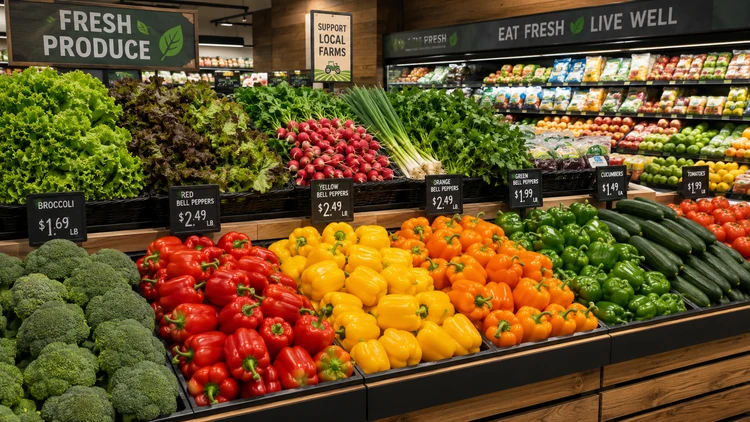
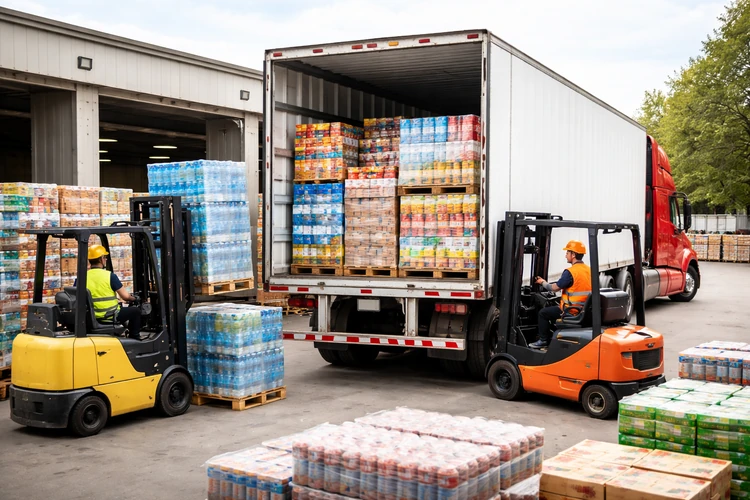
"Food prices are beginning to pick up, used vehicle prices have jumped as people cannot afford new vehicles, educational expenses always seem to rise faster than other products and of course health care costs are rising," economist Joel Naroff, of Naroff Economic Advisors, in Holland, Pa., told ConsumerAffairs.com.

Not counting food and energy, inflation is low

When the government formulates the Consumer Price Index (CPI), it strips out food and energy costs from the "core rate," because they tend to be more volatile. So while the core inflation rates seems low to the financial world, consumers having to pay for food and gasoline on a regular basis feel the increase.

In his public statements, Federal Reserve Chairman Ben Bernanke has said inflation is not a problem, even with the U.S. government running higher and higher deficits and the Fed pumping liquidity into the financial system through bond purchases.

"Actually, Mr. Bernanke is still worried about deflation," Naroff said.  "Core inflation, which excludes food and energy, has been flat and is running at a very low level.  Since this measure is a indicator of future inflation, the concern is that a weakening in the economy could lead us close to deflation, which is the worst thing that could happen."

Deflation is not the answer

If prices suddenly got cheaper rather than more expensive, consumers might think that was a good thing. But it doesn't work like that.  

"When prices fall, people simply stop buying; just look at the housing market," Naroff said.

That's what happened during the Great Depression. When prices fell, due to lack of demand, businesses cut back, then went out of business. It was hard to find a job. That's why Bernanke and others in the financial world would like to see a little inflation.

The problem, some worry, is keeping "a little" inflation from turning into "a lot." Naroff says, despite all the capital injected into the financial system, the danger of runaway inflation is not something we have to worry about in the short run.

Not a worry, for now

"If inflation is to become a problem, I would not expect it to show up until later this year at the earliest," Naroff said.  "Until growth accelerates sharply -- and I expect it to do that during the second half of the year -- businesses will not have the power to raise prices very much.  Even when inflation accelerates, we will not be looking at very high rates, just ones that are faster than we are used to."

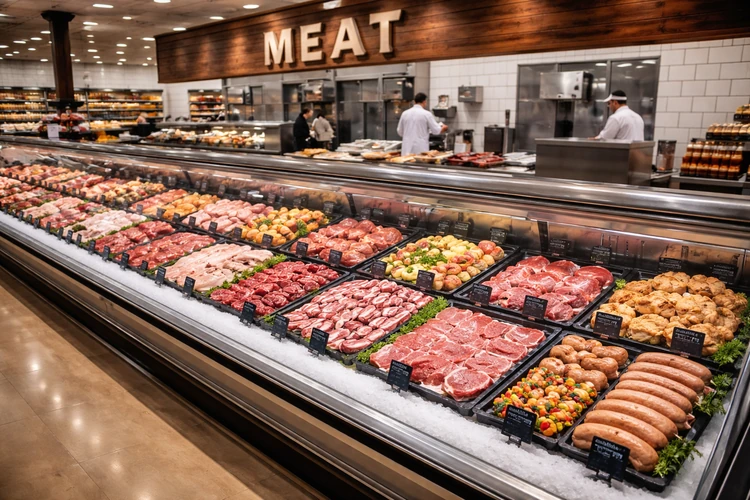
In the meantime, however, consumers are going to feel some inflationary pressure, even if it's limited to the gas pump and the supermarket checkout counter.

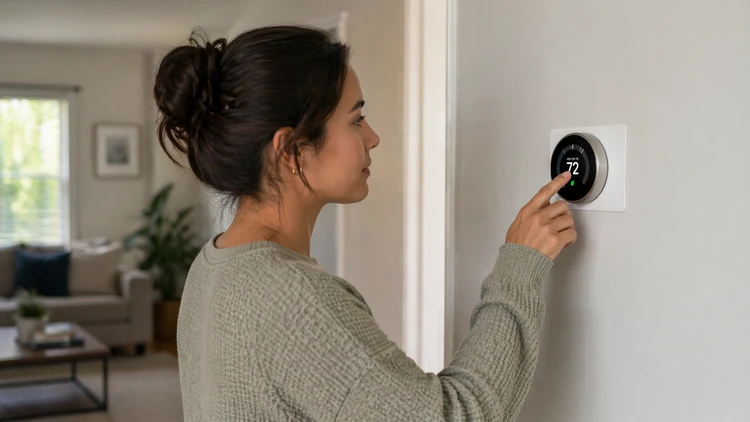
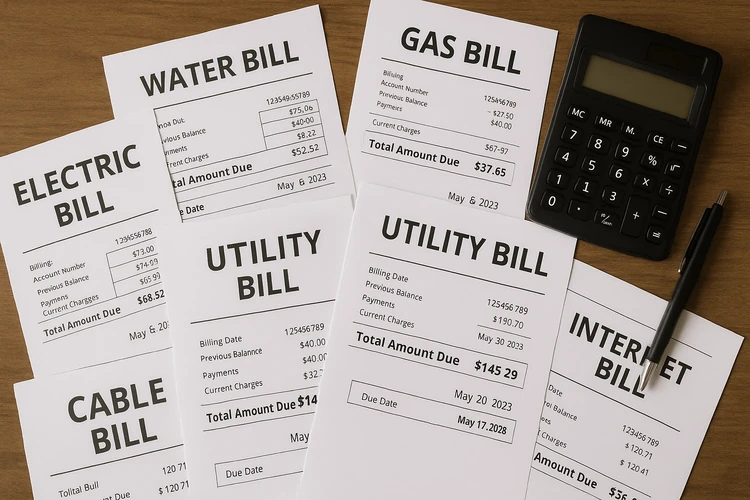
 "Rising energy and food prices should continue throughout the year and that will put pressure on household spendable income," Naroff said.  "Most if not all of the Social Security tax cuts could go to paying the higher energy and food bills."


Quantcast