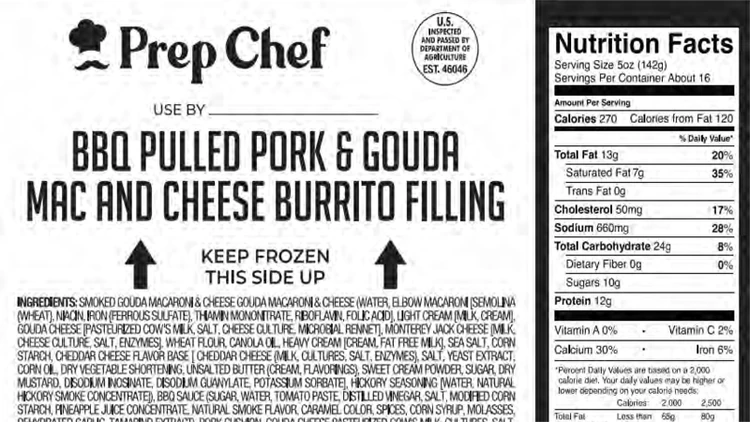
Public health alert issued for two pulled pork products
The USDA’s FSIS issued a public health alert for “Prep Chef” barbecue pulled pork and pulled pork burrito filling due to misbranding and undeclared allerge…
The USDA’s FSIS issued a public health alert for “Prep Chef” barbecue pulled pork and pulled pork burrito filling due to misbranding and undeclared allerge…
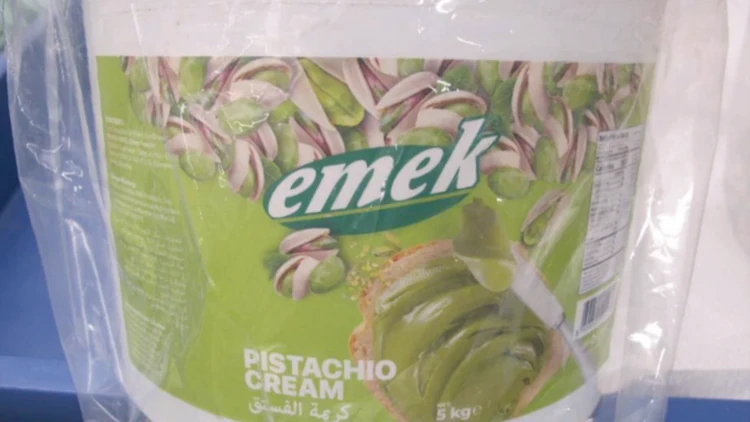
Emek-brand pistachio cream is currently under investigation after being linked to four cases of salmonella in two states. The FDA continues to inv…
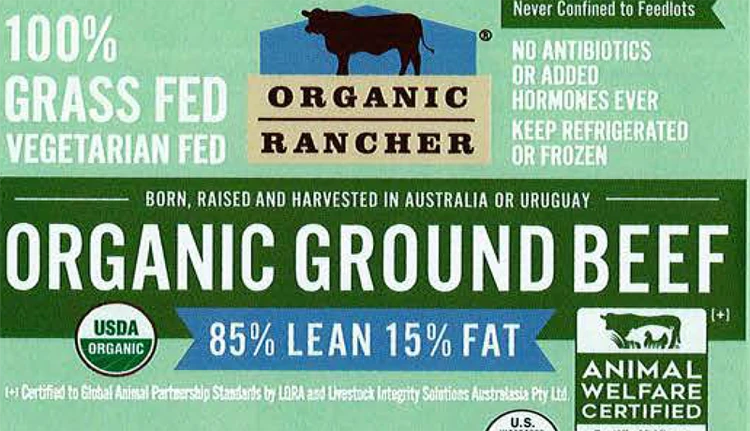
FSIS issues public health alert for ground beef potentially contaminated with E. coli O157:H7 No illnesses reported, but consumers urged not to con…

Ford issues recall for popular pickup truck. Affected trucks could lose steering control. Use the NHTSA recall page to learn if a vehicle i…
Trader Joe’s Sesame Miso Salad with Salmon is being recalled
Bread rolls recalled because they may contain glass
Chocolate-covered macadamia nuts recalled due to undeclared allergens
Tainted cucumbers prompt recall of Gyro kits sold at Sprouts
Kroger recalls vegetable products containing tainted cucumbers
Recall issued for tainted cucumbers sold at 36 Texas Walmart stores
Cucumbers recalled in more than two dozen states for salmonella risk
Organic eggs sold at Costco recalled due to potential Salmonella
Carrot recall expanded to produce sold at Whole Foods
More than 167,000 pounds of ground beef recalled due to E. coli
Organic baby carrots recalled after E. Coli outbreak
Nearly 5,000 pounds of ready-to-eat meat recalled for listeria risk
Recall issued for turkey sandwiches with listeria-tainted Brie
Wilcox recalls dozens of ice cream products
Cantaloupe is the source of a nationwide salmonella outbreak