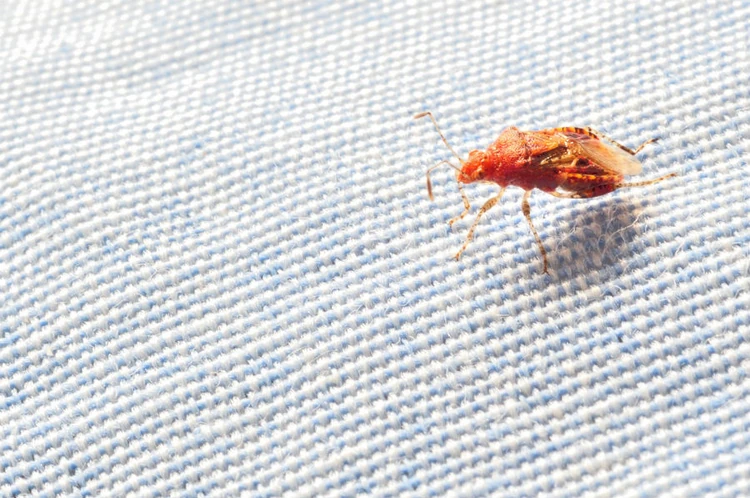
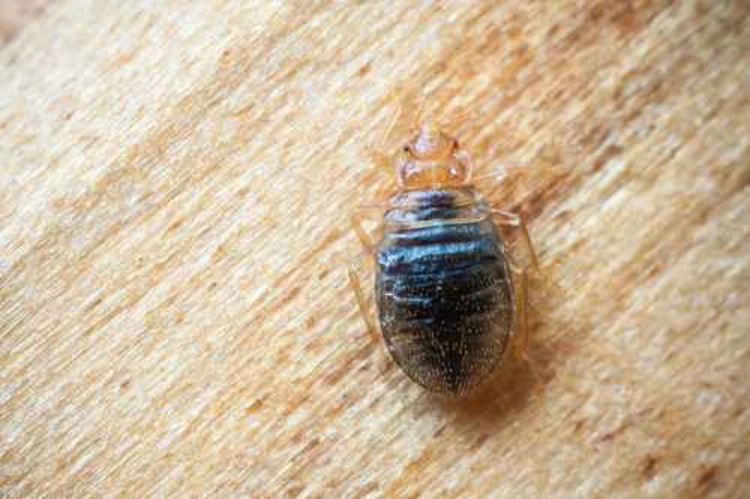
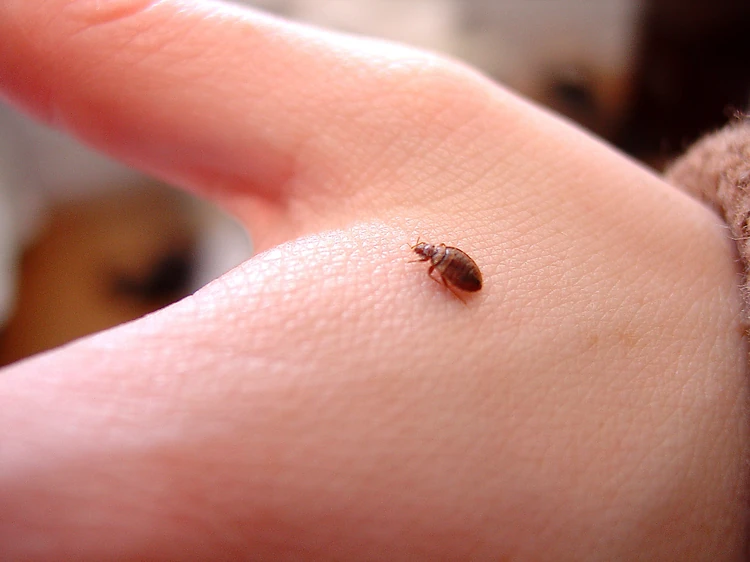
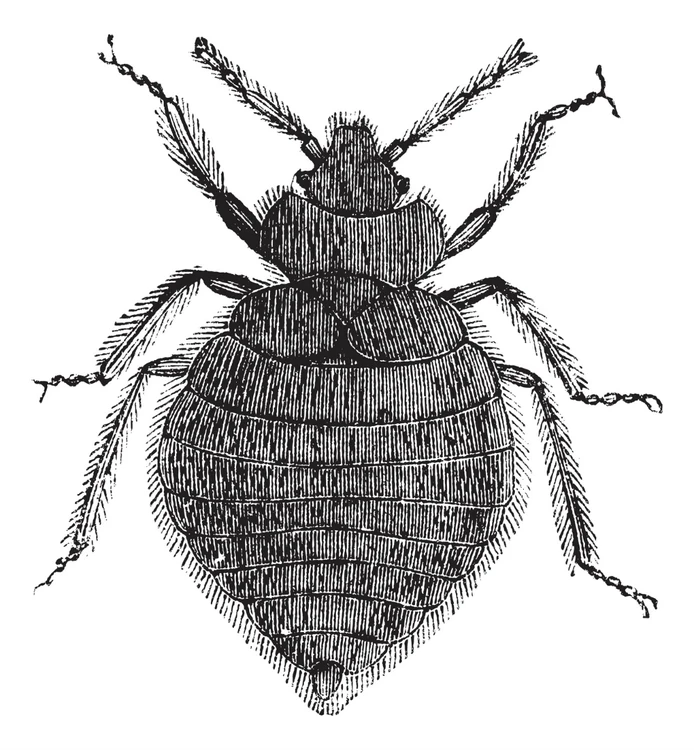
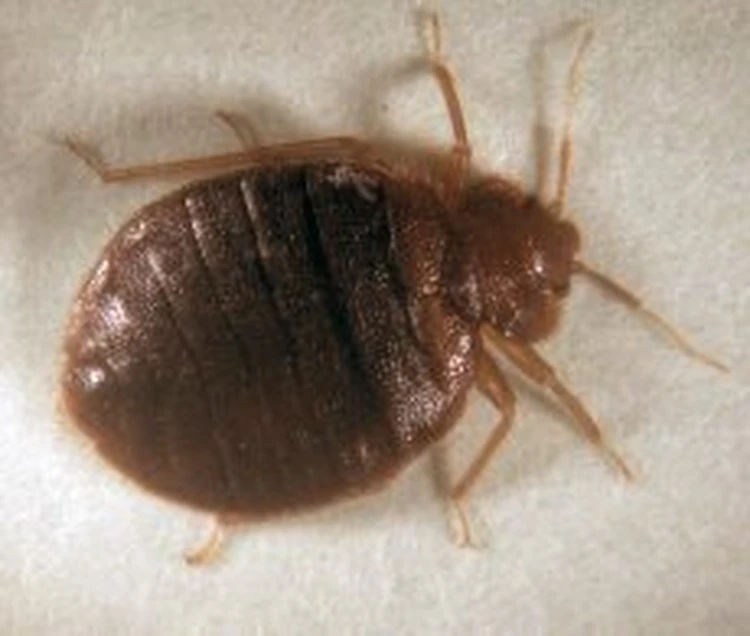
Bedbugs were once a common problem in the U.S., but after World War II and a public health campaign that included heavy use of pesticides, the little pests largely disappeared.
Until recently. Over the last decade the bedbug has made a strong rebound in the U.S., with infestations of urban hotel rooms getting the most publicity. And not just the seedy, rundown establishments. In July a California woman sued the Renaissance Marriott Hotel in Palm Springs, claiming she was bitten by bed bugs more than 400 times while sleeping at the hotel.
It's not just hotels that are a favorite gathering place for these creatures. Pest control provider Terminix says students returning to college should be aware that bedbugs are infesting dormitories and apartment buildings, anywhere people are living in close quarters.
'Don't let the bedbugs bite'
Besides being creepy, bedbugs do, in fact, bite. When they bite, they suck human blood, just as mosquitoes do. They're most active at night and are most likely to feast on any exposed areas of skin while someone is asleep. The face, neck, hands, and arms are favorite areas for bedbug bites.
The bite doesn't hurt but can cause itching. According to the U.S. Centers for Disease Control and Prevention (CDC), bedbugs are not known to spread disease or present a public health hazard. Still, if you can keep bedbugs out of your living space it's probably highly desirable to do so.
How do you know you have bedbugs? You aren't likely to see them during the day but you may find evidence. There may be brown spots on bedding, tiny blood smears on sheets and – in the case of heavy infestations – a strong, musty odor.
Despite popular belief, Terminix says bedbugs aren't a sign of unsanitary conditions. Instead, they tend to be attracted to places where there are a lot of people who come and go. Dorm rooms and hotels fall into that category. So do libraries.
High-traffic areas
Dorms are vulnerable because a lot of people are in transit over the summer months. They are often used to house students or others who are visiting the campus for a week or two at a time. You may be returning to your same dorm room after the summer break but many others will likely have stayed there over the summer.
Once bedbugs find a spot they like they tend to spread out. They can spread from one room to the next by crawling through wall cracks and under baseboards. This means your neighbor's infestation could end up being your infestation.
"Bedbugs continue to have a significant presence across the country, particularly on college campuses, and pose concern for public health," said Stan Cope, PhD and entomologist with Terminix. "Bedbug infestations can cause emotional stress and irritability, which is the last thing students need to deal with on top of their heavy workloads. If you think you have an issue with bedbugs, you should immediately have the facility manager or resident assistant contact a professional to treat your living space."
What to do
To make your room less inviting to bedbugs, Terminix suggests using zippered encasements on bed mattresses and box springs, since bedbugs particularly like to set up shop in bedding. Keep your clothes off the floor since bedbugs are more likely to climb on things at ground level.
Everyone wants to save money but you might be advised to take a pass on the used mattress and box springs advertised on craigslist. You never know what extras you might be getting with it. That actually goes for all sorts of used items. Be careful about bringing used books, backpacks, bedding and clothing into your apartment or dorm.
The best course of action is to avoid bedbugs in the first place. Once you have them, they are notoriously difficult to get rid of.