1. Skip to navigation
  2. Skip to content
  3. Skip to sidebar

Consumer Affairs

United-Continental Merger Closes but Southwest-AirTran Deal More Likely to Spur Competition

Delta-Northwest, knocked out of No. 1 spot, pledges to 'make flying better'


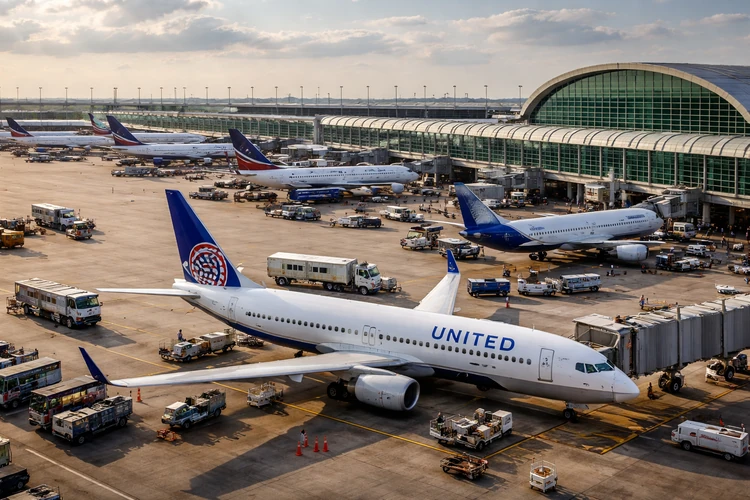
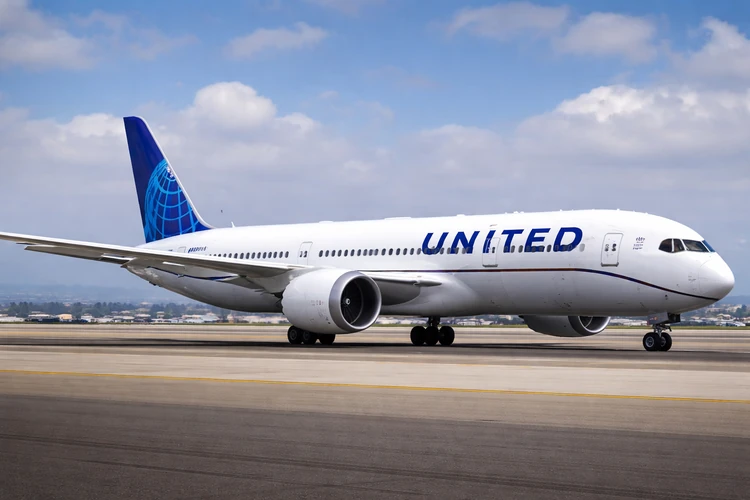
There's more than one way to be No. 1. In the airline business, the most popular -- though not necessarily the most consumer-friendly -- strategy in recent years is to grow by gobbling up the competition. United Airlines pushed back into the top spot Friday by completing its merger with Continental.

The new company -- imaginatively christened United Continental Holdings, Inc. -- will be known on the New York Stock Exchange as "UAL." Those watching carefully will note that, like so many supposed "mergers," the deal amounts to waving a wand and making Continental slowly disappear.

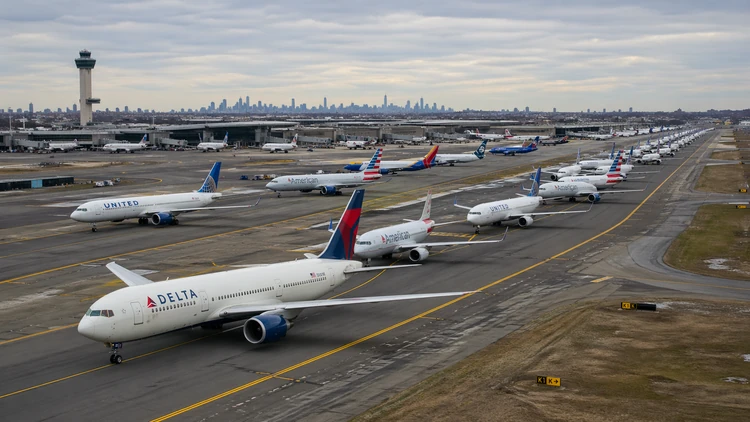
United's move left Delta sitting on the tarmac in the No. 2 spot. Delta had wiggled its way into the top spot two years ago with its acquisition of Northwest Airlines, a merger that is still a long way from being complete. As is often the case, Delta and Northwest continue to operate virtually independently of each other, with different paint jobs, reservation systems and so forth.

The same is likely to be the case for United and Continental. Though now officially wed, they're not likely to display new wedding rings anytime soon. The two airlines will operate separately until they receive a single operating certificate from U.S. regulators and customers will continue using separate ticketing facilities until the spring of 2011, when the company expects to combine operations.

"We have a lot of hard work ahead as we begin to implement the integration plan, but our co-workers are enthusiastic about the opportunities this merger will bring them," said Jeffrey Smisek, who will head the new company. Smisek was formerly Continental's CEO. United Continental will be headquartered in Chicago but Houston will be its largest hub.

Smisek has about 90 days to reach definitive agreements with the many unions involved in the $3 billion deal. United veterans are eager to reclaim pay that they gave up during the three years that United was in bankruptcy and Continental's unionized workers of wary of how they'll fare by being submerged into the larger United.

But Smisek, a self-proclaimed "airline geek" says he's excited by the exercise.

"If you are an airline geek, it doesn't get any better than this: bringing these two carriers together," Smisek told The Los Angeles Times last week. "They are the perfect marriage, the perfect fit. I think we're creating a tremendous carrier here.""

How about lower fares?

Meanwhile in Atlanta, Delta is seeking to put the best face on its new secondary position by saying it will be putting its energies into improving customer service while United tries to successfully digest Continental.

"No one who flies is waiting for a bigger airline, they're waiting for one that's committed to making flying better," says an ad that's part of Delta's new campaign.

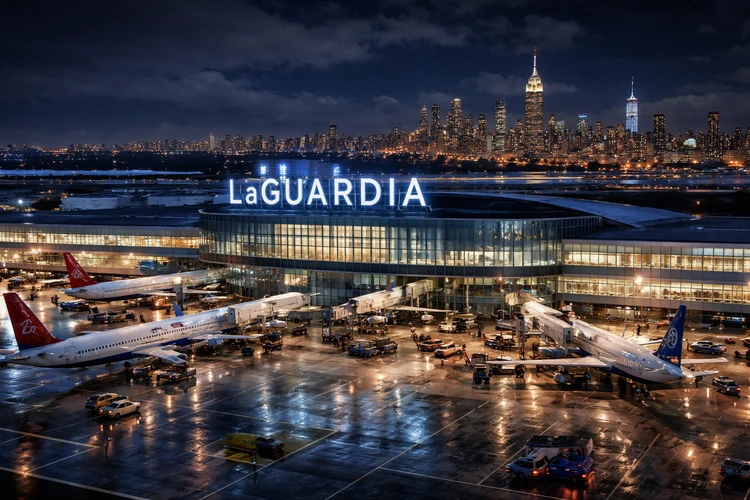
Cute, but we'd wager that what many consumers are really waiting for is a bigger Southwest Airlines. And they're about to get it. Southwest's AirTran gives low-fare Southwest entry into key markets -- like, oh, the East Coast -- that it has been locked out of for years. Its acquisition of AirTran will bring Southwest's low-fare structure to New York's LaGuardia, Washington's Reagan National and Boston's Logan.

When Southwest enters a new market or expands its presence in an existing market, the effect on other carriers is often both rapid and easily detected. Unlike Delta and United's vague promise of "making flying better," Southwest makes its cheaper, forcing legacy carriers to lower their fares.

Unlike the United-Continental-Delta-Northwest deals, which came as no surprise to anyone, the Southwest-AirTran deal was kept under wraps until the last minute. Employees of both carriers were as surprised as everyone else -- and some of them felt like it was Christmas in September. One AirTran pilot we talked with said his salary doubled in one day, as the new management informed him that, instead of his $37,000 AirTran salary, he would be making about $74,000 as a Southwest jet jockey.

Quantcast