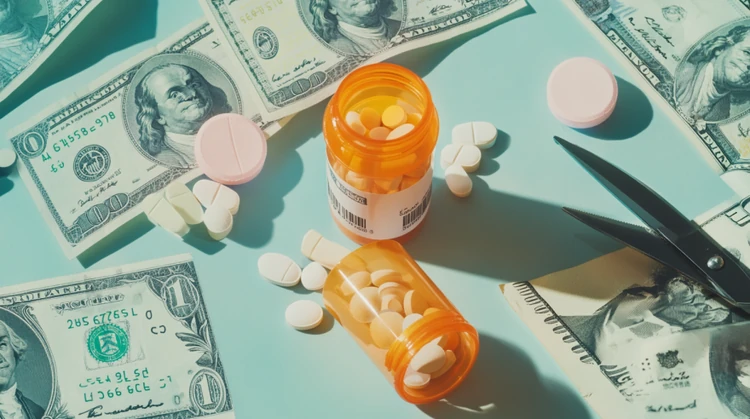
IRA’s $2,000 out-of-pocket cap helps few; most won’t hit the threshold
Insurers raise deductibles, replace flat co-pays with costlier coinsurance
USC researchers say system still favors pharmacy middlemen over patients
A core promise of the Inflation Reduction Act (IRA), signed by President Biden in 2022, was to lower the cost of prescription medications for Americans, particularly older adults on Medicare. But new research suggests the reality may be more complicated — and costlier — for most beneficiaries.
A white paper released by the USC Schaeffer Center for Health Policy & Economics reveals that while the IRA's annual $2,000 out-of-pocket cap offers crucial financial relief for high-need patients, the vast majority of Medicare beneficiaries won’t reach that threshold. Instead, they may see their costs rise as insurers restructure their Part D drug plans in response to the law.
Higher deductibles, fewer co-pays
The researchers identified two major changes in Medicare drug plan designs that expose more enrolees to higher costs:
Skyrocketing Deductibles
In Medicare Advantage plans, average deductibles jumped from $62 in 2024 to $224 in 2025, reversing years of declines.
Enrollment in “enhanced” zero-deductible plans plummeted from 78% to 41%.
In stand-alone Part D plans, deductibles increased from $425 to $491, marking the steepest annual hike since at least 2020.
Rise of Coinsurance Over Co-Pays
Flat co-pays for brand-name drugs are being replaced by coinsurance, where patients pay a percentage of a drug’s list price.
In Medicare Advantage plans, coinsurance-based enrollment jumped from 2.6% in 2024 to 27.5% in 2025.
In stand-alone plans, 84.1% of enrollees now pay coinsurance, up from just 9.9% in 2020.
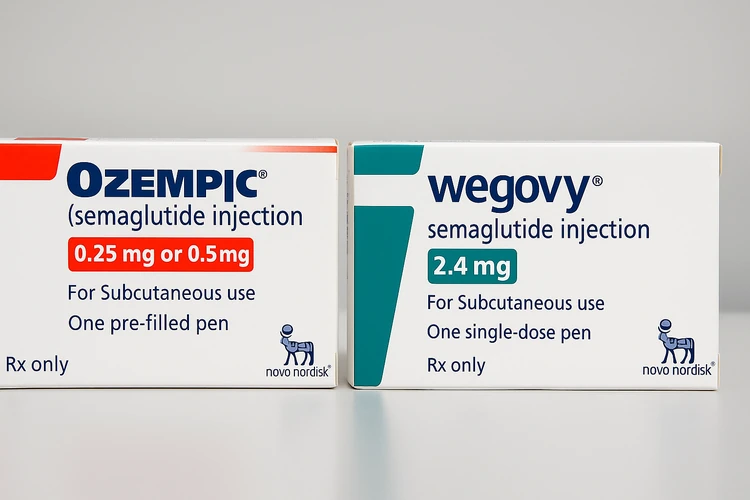
Coinsurance ties patient costs to inflated list prices, which are often manipulated by secret rebate deals between manufacturers and pharmacy benefit managers (PBMs). Patients typically end up paying about 25% of a drug’s list price, driving up costs for commonly used treatments like Eliquis and Ozempic.
A tradeoff for the most vulnerable
TheInflation Reduction Act (IRA) was designed to address inflation, lower healthcare and energy costs, and reduce the federal deficit. It also includes the largest investment in climate action in U.S. history.
It capped recipients' out-of-pocket drug costs at $2,000 per year, allowed Medicare to negotiate drug prices, limited insuline costs to $35 per month, and extended healthcare subsidies through 2025. But insurance companies are steadily working their way around the law's restrictions, the USC study found.
“The new annual cap will provide valuable relief to the small share of beneficiaries with the highest drug spending,” said lead author Erin Trish in a news release “But our research shows this comes with a clear tradeoff — most Medicare beneficiaries will likely see their drug costs go up.”
While some drug prices may fall in 2026 under IRA’s Medicare price negotiations, the expanding use of coinsurance could blunt those savings. USC researchers argue that without reforms to how rebates are distributed — namely, returning them directly to patients — the fundamental flaws in the pricing system will persist.
“Pharmacy middlemen continue to pocket savings while patients are left to shoulder rising list prices,” Trish warned.
The bigger picture
This research adds fuel to the debate about drug pricing transparency and equity. Although the IRA introduced sweeping changes intended to ease the burden on older Americans, insurers’ strategic responses may end up shifting costs in new and unpredictable ways.
The white paper, co-authored by Barbara Blaylock and supported by the Schaeffer Center, serves as both a warning and a call to action: policy changes alone aren’t enough if the underlying system continues to prioritize corporate profits over patient affordability.