1. Skip to navigation
  2. Skip to content
  3. Skip to sidebar

Consumer Affairs

Are the 2010-2011 Seasonal Flu Vaccines Safe?

As the approaching flu season raises questions, federal health agencies provide some answers


Each year, the seasonal influenza vaccine contains three flu viruses  -- one influenza A (H3N2) virus, one influenza A (H1N1) virus, and one influenza B virus. The 2009 H1N1 (swine) flu) virus strain is included in the 2010-2011 seasonal flu vaccine because scientists continue to see this virus strain circulate in the U.S.

This season's vaccine is expected to have a similar safety profile as past seasonal flu vaccines. Over the years, hundreds of millions of Americans have received seasonal flu vaccines.

The most common side effects found from last year's H1N1 flu vaccines were soreness, redness, tenderness or swelling where the flu shot was given and nasal congestion after the flu vaccine nasal spray.

Feds to monitor vaccine

The Centers for Disease Control and Prevention (CDC) and the Food and Drug Administration (FDA) are closely monitoring for any signs the vaccine is causing unexpected adverse events and are working with state and local health officials and other public health partners to investigate any unusual events.

The purpose of vaccine safety monitoring is to provide quick identification of any clinically significant adverse events following immunization. Adverse events -- including apparent side effects -- following immunization may be coincidental to (meaning occurring around the same time but not elated to vaccination) or caused by vaccination.

CDC and its partners use multiple systems to monitor the safety of this season's flu vaccines. Two of the primary systems that are being used to monitor the safety of these vaccines are: the Vaccine Adverse Event Reporting System (VAERS), which is jointly operated with FDA, and the Vaccine Safety Datalink (VSD) Project.

Vaccine Adverse Event Report System

VAERS is a national program managed by both CDC and FDA to monitor the safety of all vaccines licensed in the United States. Healthcare providers are encouraged to report possible adverse events of concern after vaccination, even if they are not certain that the vaccine caused the event. VAERS relies on information included in these reports to monitor for clinically serious adverse events or health problems that follow vaccination.

Generally, VAERS cannot determine if an adverse event was caused by a vaccine but can help determine if further investigations are needed. FDA and CDC use VAERS data to help identify potential clinically serious vaccine adverse events or health outcomes. If concerns are identified in VAERS, usually further investigation is needed. One important system used to further evaluate concerns identified in VAERS is the Vaccine Safety Datalink (VSD) Project.

Vaccine Safety Datalink (VSD) Project

The VSD Project is a vaccine safety system used to both identify and confirm adverse outcomes after immunization. This project is a collaboration between CDC and eight large managed care organizations, in which comprehensive medical information is collected on approximately nine million people.

The VSD project monitors their data weekly for certain adverse events that could be associated with newly licensed vaccines. VSD conducts studies of vaccine safety adverse events and health outcomes that may arise with any vaccine.

Additionally, CDC works with numerous partners, including other federal agencies, state and local health departments, professional organizations, and academic institutions, to actively follow individuals after vaccination to monitor for any potential adverse events.

Vaccine side effects

Both the flu shot and the nasal spray (LAIV or Flu Mist) vaccines have possible side effects. Among them:

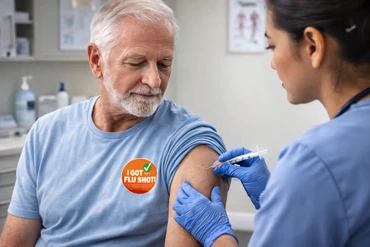
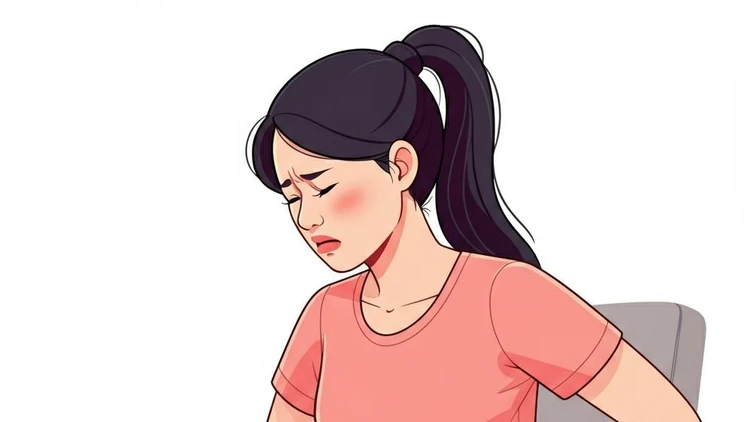
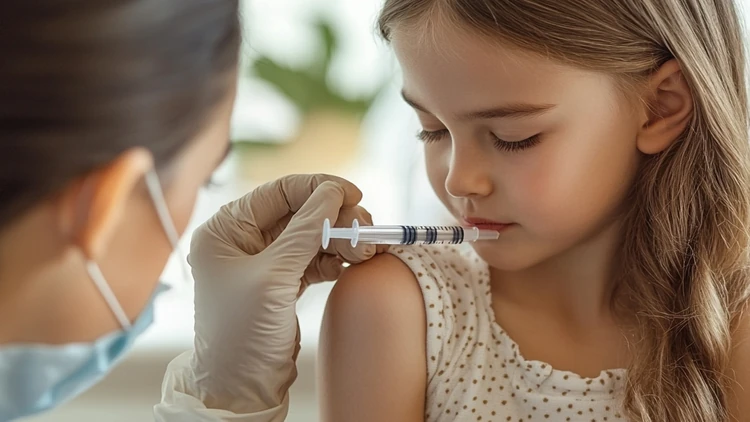
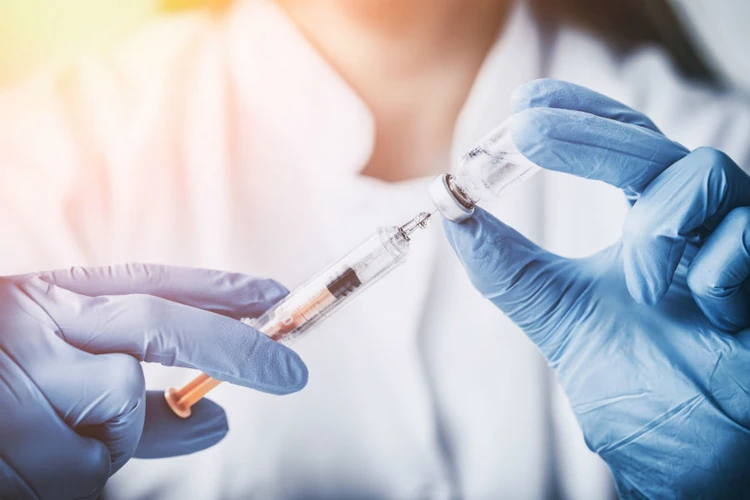
The flu shot: The viruses in the flu shot are killed (inactivated), so you cannot get the flu from a flu shot. Some minor side effects that could occur are:

  • Soreness, redness, or swelling where the shot was given
  • Fever (low grade)
  • Aches
  • Nausea

If these problems occur, they begin soon after the shot and usually last a day or two. Almost all people who get flu shots have no serious problems. However, on rare occasions, they can cause serious problems, such as severe allergic reactions. A federal program has been created to help pay for the medical care and other specific expenses of certain persons who have a serious reaction to this vaccine. For more information about this program, call 1-888-275-4772 or visit the program's Website.

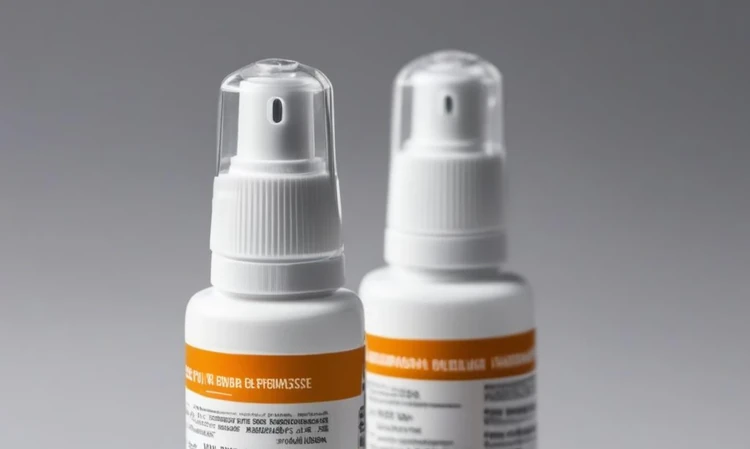
The nasal spray (also called LAIV): The viruses in the nasal-spray vaccine are weakened and do not cause severe symptoms often associated with influenza illness. (In clinical studies, transmission of vaccine viruses to close contacts has occurred only rarely.)

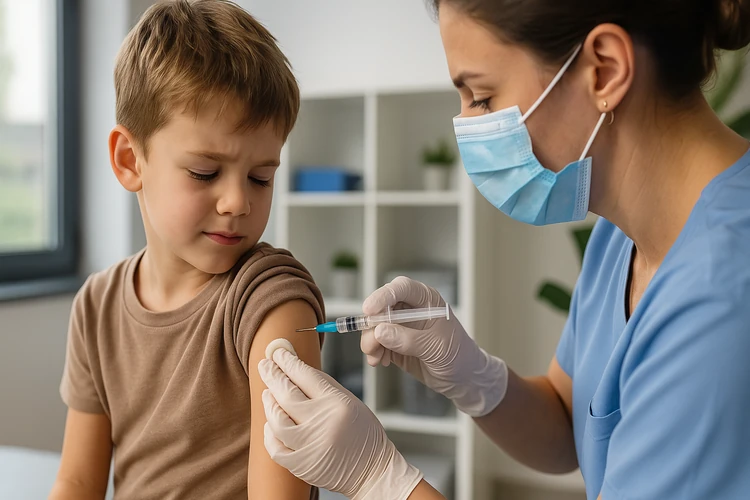
In children, side effects from LAIV can include:

  • runny nose
  • wheezing
  • headache
  • vomiting
  • muscle aches
  • fever

In adults, side effects from LAIV can include:

  • runny nose
  • headache
  • sore throat
  • cough

Mild problems that may be experienced include soreness, redness, or swelling where the shot was given, fainting (mainly adolescents), headache, muscle aches, fever, and nausea. If these problems occur, they usually begin soon after the shot and last 1-2 days. Life-threatening allergic reactions to vaccines are very rare. If they do occur, it is usually within a few minutes to a few hours after the shot is given.

This season's flu vaccine is made the same way as past seasonal flu vaccines. Millions of seasonal flu vaccines have been given safely. Millions of people have also safely received the 2009 H1N1 vaccine.

CDC expects that any side effects following vaccination with the 2010-2011 flu vaccine would be rare. Any side effects that may occur are expected to be similar to those experienced following past seasonal influenza vaccine.

Cause for concern

Signs of a serious allergic reaction can include difficulty breathing, hoarseness or wheezing, swelling around the eyes or lips, hives, paleness, weakness, a fast heartbeat or dizziness. In addition, after vaccination you should look for any unusual condition, such as a high fever or behavior changes.

If any unusual condition occurs following vaccination, seek medical attention right away. Tell your doctor what happened, the date and time it happened, and when the vaccination was given. Ask your doctor, nurse, or health department to report a possible reaction by filing a Vaccine Adverse Event Reporting System (VAERS) form. Or you can file this report yourself through the VAERS Website or by calling 1-800-822-7967 to receive a copy of the VAERS form.

Quantcast