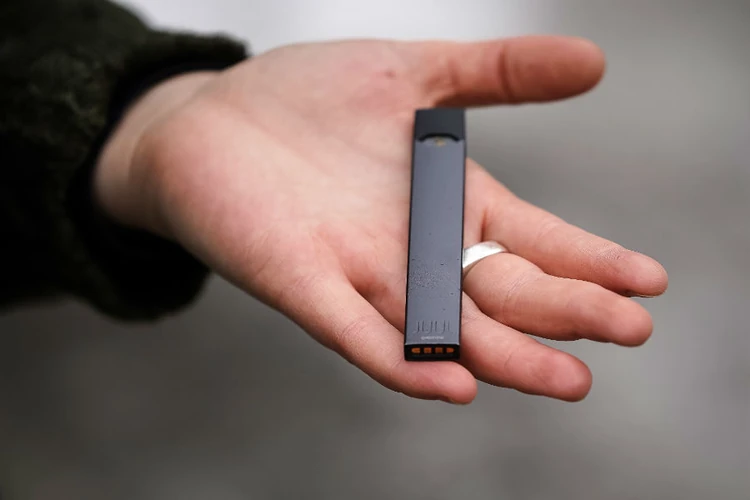
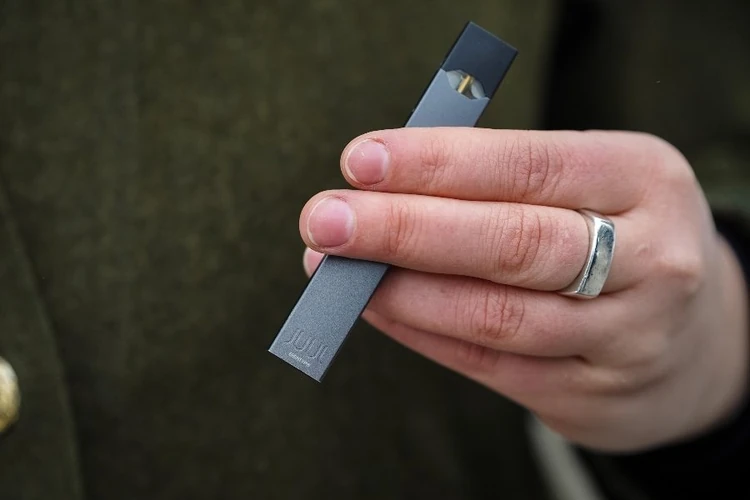
New York Attorney General Letitia James is suing over a dozen of the biggest vape manufacturers for targeting kids and teens with their products.
The lawsuit claims that the companies market their products directly toward young people, making vaping seem “cool,” while also spreading misinformation about the health risks of vaping, and ultimately contributing to a widespread trend of young people vaping.
“The vaping industry is taking a page out of Big Tobacco’s playbook: they’re making nicotine seem cool, getting kids hooked, and creating a massive public health crisis in the process,” James said in a news release.
“For too long, these companies have disregarded our laws in order to profit off of our young people, but we will not risk the health and safety of our kids. Today, we are taking critical steps toward holding these companies accountable for the harm they have caused New Yorkers.”
What companies are involved?
James has named over a dozen companies in the lawsuit, including:
Puff Bar
Elf Bar
Geek Bar
Breeze
MYLE
EVO Brands
Demand Vape
Magellan
Happy Distro
Midwest Goods
Pod Juice
Safa Goods
Mi-One
MVH 1
Price Point
What are the charges?
The lawsuit alleges that the companies in question deceived young people in their marketing and packaging. Many of them have utilized social media and prominent internet personalities to promote their products directly to teens.
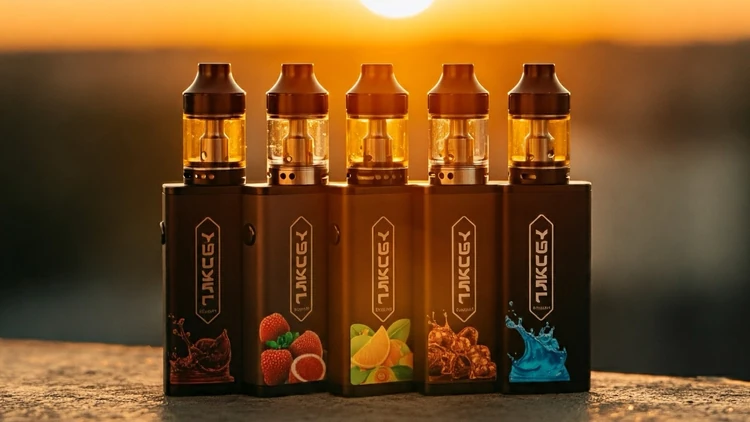
The companies have also used bright, colorful, and cartoon packaging to make their products look more appealing to the younger demographic, as well as highlight candy and fruit flavors – like “Blue Razz Slushy,” “Sour Fruity Worms,” “Fruity Pebbles,” “Unicorn Cake,” and more.
In addition, many of the companies have touted their products as being a safer health alternative than traditional cigarettes.
New York banned the sale of flavored tobacco products in 2020, and the suit claims these companies have continued to illegally sell such products to consumers.
What’s next?
In the suit, James is seeking “hundreds of millions of dollars, including financial penalties for wide-ranging violations of local, state, and federal laws; damages and restitution for the public health impact of the companies’ illegal actions; the recovery of all revenue made from unlawful activity; and the establishment of an abatement fund to address the youth vaping crisis in New York.”
In addition, she’s looking for the companies to publicly address their health claims about vaping, and a permanent ban on selling flavored e-cigarettes in New York.
“Nicotine is a potent mind- and mood-altering drug that potentially develops into a physical and psychological dependence,” said Steve Chassman, executive director of the Long Island Council on Alcohol and Drug Dependence.
“The implications of nicotine intoxication and dependence for young people on their mental, physical, academic, and social well-being are far reaching when dangerous levels of nicotine are consumed at a vulnerable age. These dangerous products are being callously marketed as ‘candy-like’ materials, distorting the harmful effects the drug has on human development.”