Tainted cucumbers trigger another produce recall
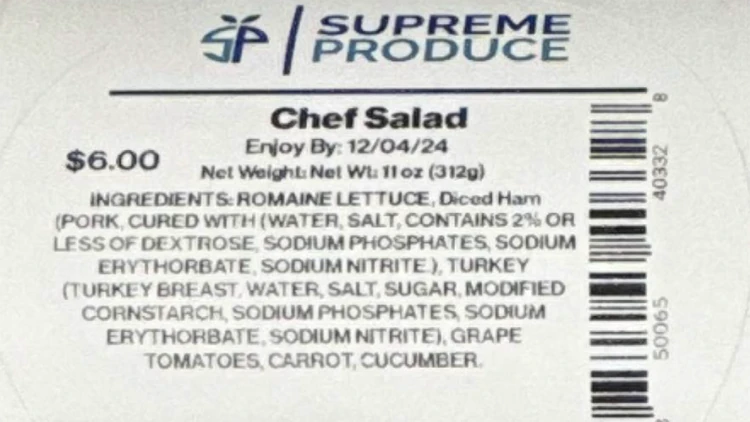
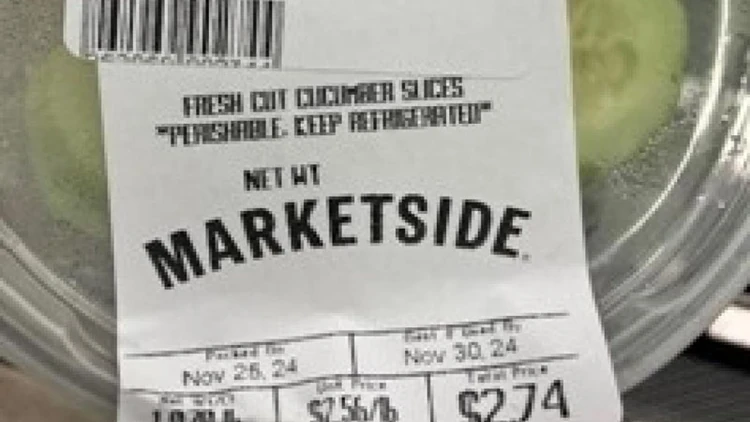
There is an increasing number of examples of how interconnected the nation’s food supply is. When one product is tainted it can contaminate a host of other, related food products.
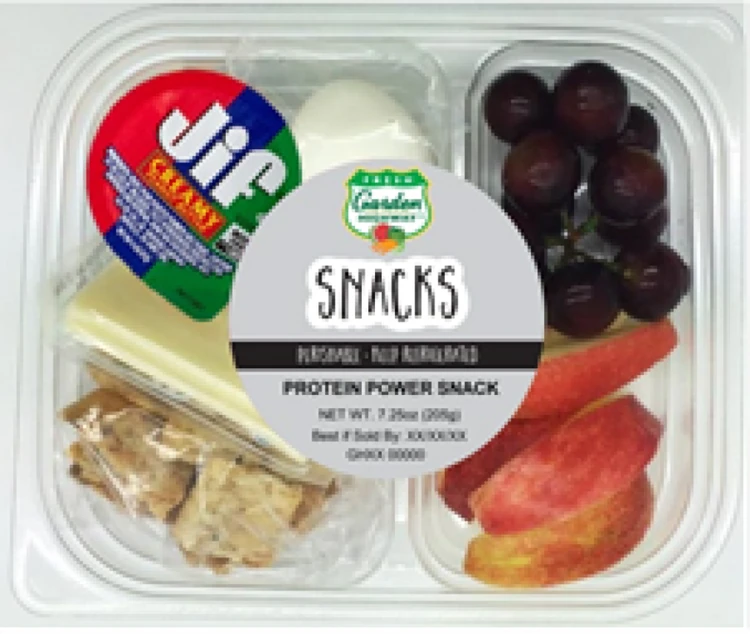
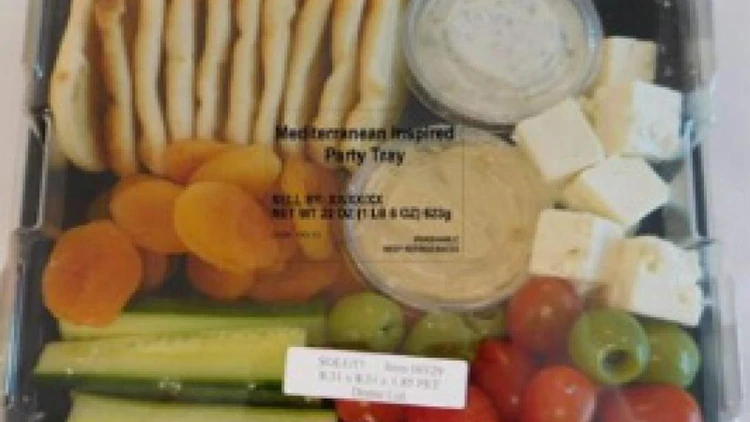
For example F&S Fresh Foods is recalling 22 oz. Mediterranean Inspired Party Trays. The recall was initiated after F&S Fresh Foods was notified that Grecian Delight Tzatziki sauce supplied to F&S Fresh Foods may be contaminated with Salmonella because it contains cucumbers recalled by Sunfed Produce.
These products were sold at Ralph’s stores in California and Smith’s stores in Arizona, Idaho, Montana, Nevada, Utah, and Wyoming.
The containers are plastic clamshells with the affected dip in a separate lidded cup as pictured below. Coding information will include the letters “GH” followed by three digits ranging from 325 - 339. Sell by dates range from 11/27/24 to 12/11/24.
No illnesses have been reported to F&S Fresh Foods to date. This recall is being made with the knowledge of the U.S. Food and Drug Administration.
What to do
Consumers who purchased this product with the above sell by dates and still have them in their refrigerator or freezer should not consume them; they should be destroyed or discarded so they cannot be consumed. Clean and sanitize surfaces they may have touched. Consumers concerned about an illness should contact a medical professional.
Consumers with questions may contact the company at (888) 449-9386, 8:00 am – 5:00 pm PT, Monday through Friday.
Are there more food recalls or does it just seem that way?
Food recalls are a big topic in the U.S. lately, with constant updates on items being pulled from shelves. However, the data show that the number of recalls this year is about the same as last year.
The real difference is how easily we hear about them now. In the 1970s, one or two of the three major TV networks might have reported on a recall. Today, social media, grocery apps, and news websites spread the news instantly.
This year the alarm bells have been more active than usual because there was so much recall activity around Thanksgiving, when people are focused on food and family gatherings, making them more susceptible to fears about food safety.
Of course, it didn't help that names like Boar's Head and McDonald's were involved in some of the recalls.
Recalls actually down a bit
But despite all the clamor, government statistics show that recalls this year are actually a little bit down from last year, at least for now.
Between them, the Food and Drug Administration and the U.S. Department of Agriculture have recorded 270 food and beverage recalls, withdrawals and alerts, according to the Washington Post. Keep in mind, though, that the numbers aren't tabulated daily, so the final year-end figures will differ.
Psychologist David Levari of Brown University points out that people tend to overestimate risks, especially ones they don’t encounter often.
“People tend to worry about those, sometimes more than car crashes, even though car crashes are much more common,” Levari said. “Airplane crashes can make more news, and they stick out in people’s memory,” he told the Post.
While having instant access to information is useful, it’s important not to let it cause unnecessary worry.
The political limbo affecting the U.S. right now doesn't help either. The incoming Trump Administration is promising to slice regulatory agencies, including those that regulate food.
That may be encouraging to those who think cleaning house will make the agencies more efficient but it may be discouraging who we'll be worse off with fewer experts watching the food industry.