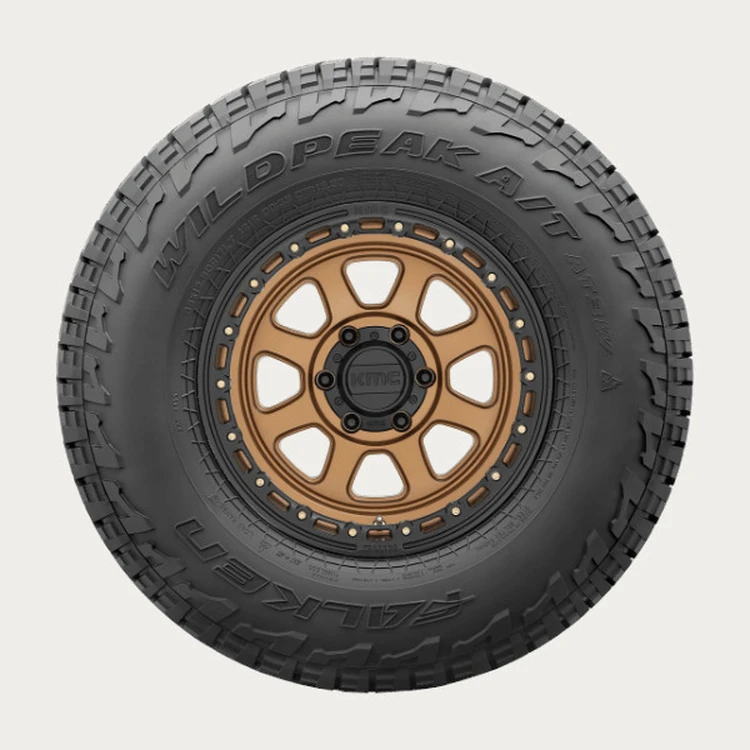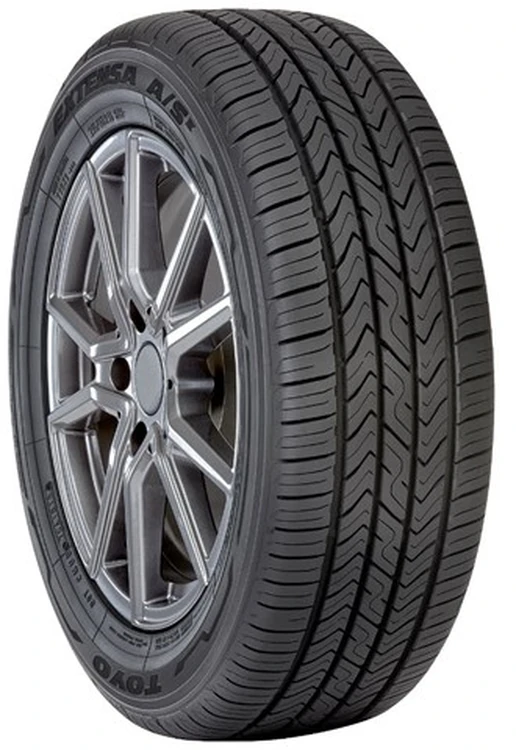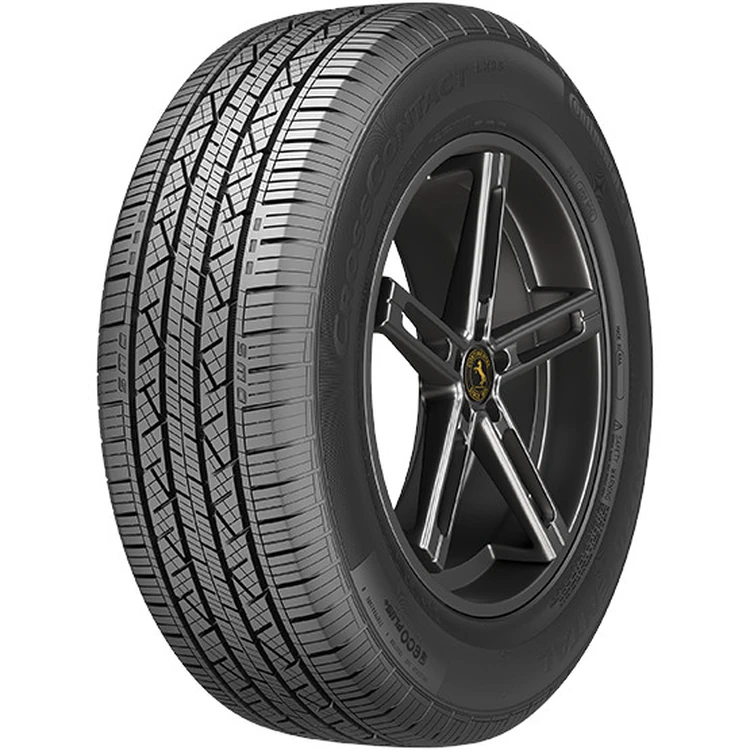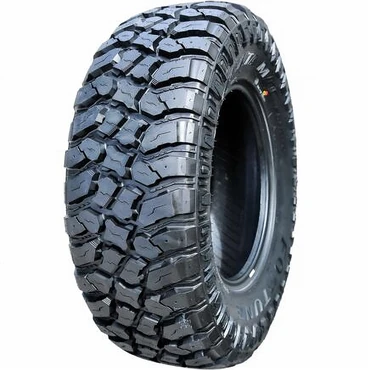
Prinx Chengshan Tire North America, Inc. (PCTNA) is recalling certain Fortune Tormenta and Prinx Hicountry sold as replacements tires. Please refer to the 573 Safety Report for specific sizes.
The tires are labeled as snow tires, but do not have sufficient traction to perform in all snow weather conditions. As such, these tires fail to comply with the requirements of Federal Motor Vehicle Safety Standard number 139, "New Pneumatic Radial Tires for Light Vehicles."
What to do
The remedy is currently under development. Owner notification letters are expected to be mailed February 1, 2025. Owners may contact PCTNA customer service at 1-310-205-8355 x 109.
Tires
| BRAND | TIRE LINE/SIZE | PRODUCTION DATES |
|---|---|---|
| FORTUNE | TORMENTA M/T FSR310/LT265/75R16 | |
| FORTUNE | TORMENTA M/T FSR310/LT285/75R16 | |
| FORTUNE | TORMENTA M/T FSR310/33X12.50R18LT | |
| FORTUNE | TORMENTA M/T FSR310/35X12.50R17LT | |
| FORTUNE | TORMENTA M/T FSR310/37X13.50R20LT | |
| FORTUNE | TORMENTA M/T FSR310/LT235/75R15 | |
| FORTUNE | TORMENTA M/T FSR310/LT245/75R16 | |
| FORTUNE | TORMENTA M/T FSR310/LT275/65R18 | |
| FORTUNE | TORMENTA M/T FSR310/35X13.50R20LT | |
| FORTUNE | TORMENTA M/T FSR310/31X10.50R15LT | |
| FORTUNE | TORMENTA M/T FSR310/37X12.50R22LT | |
| FORTUNE | TORMENTA M/T FSR310/33X12.50R20LT | |
| FORTUNE | TORMENTA M/T FSR310/33X12.50R15LT | |
| FORTUNE | TORMENTA M/T FSR310/37X13.50R22LT | |
| FORTUNE | TORMENTA M/T FSR310/LT285/70R17 | |
| FORTUNE | TORMENTA M/T FSR310/35X12.50R20LT | |
| FORTUNE | TORMENTA M/T FSR310/LT235/85R16 | |
| FORTUNE | TORMENTA M/T FSR310/LT265/70R17 | |
| FORTUNE | TORMENTA M/T FSR310/LT305/70R16 | |
| FORTUNE | TORMENTA M/T FSR310/35X12.50R22LT | |
| FORTUNE | TORMENTA M/T FSR310/33X12.50R22LT | |
| FORTUNE | TORMENTA M/T FSR310/35X12.50R18LT | |
| FORTUNE | TORMENTA M/T FSR310/LT325/50R22 | |
| FORTUNE | TORMENTA M/T FSR310/LT305/55R20 | |
| FORTUNE | TORMENTA M/T FSR310/37X12.50R20LT | |
| FORTUNE | TORMENTA R/T FSR309/33X12.50R20LT | |
| FORTUNE | TORMENTA R/T FSR309/35X12.50R20LT | |
| FORTUNE | TORMENTA R/T FSR309/35X12.50R22LT | |
| FORTUNE | TORMENTA R/T FSR309/LT275/65R20 | |
| FORTUNE | TORMENTA R/T FSR309/LT275/70R18 | |
| FORTUNE | TORMENTA R/T FSR309/LT285/50R22 | |
| FORTUNE | TORMENTA R/T FSR309/LT285/55R20 | |
| FORTUNE | TORMENTA R/T FSR309/LT285/60R18 | |
| FORTUNE | TORMENTA R/T FSR309/LT285/65R18 | |
| FORTUNE | TORMENTA R/T FSR309/LT295/70R18 | |
| FORTUNE | TORMENTA R/T FSR309/37X13.50R18LT | |
| FORTUNE | TORMENTA R/T FSR309/LT275/60R20 | |
| FORTUNE | TORMENTA R/T FSR309/LT295/70R17 | |
| FORTUNE | TORMENTA R/T FSR309/LT265/70R17 | |
| FORTUNE | TORMENTA R/T FSR309/37X13.50R20LT | |
| FORTUNE | TORMENTA R/T FSR309/LT265/65R17 | |
| FORTUNE | TORMENTA R/T FSR309/LT285/50R20 | |
| FORTUNE | TORMENTA R/T FSR309/37X13.50R24LT | |
| FORTUNE | TORMENTA R/T FSR309/40X15.50R24LT | |
| FORTUNE | TORMENTA R/T FSR309/LT295/65R20 | |
| FORTUNE | TORMENTA R/T FSR309/33X12.50R22LT | |
| FORTUNE | TORMENTA R/T FSR309/35X12.50R17LT | |
| FORTUNE | TORMENTA R/T FSR309/33X12.50R18LT | |
| FORTUNE | TORMENTA R/T FSR309/35X12.50R24LT | |
| FORTUNE | TORMENTA R/T FSR309/LT295/55R20 | |
| FORTUNE | TORMENTA R/T FSR309/35X12.50R18LT | |
| FORTUNE | TORMENTA R/T FSR309/37X12.50R20LT | |
| FORTUNE | TORMENTA R/T FSR309/37X13.50R22LT | |
| FORTUNE | TORMENTA R/T FSR309/LT265/50R20 | |
| FORTUNE | TORMENTA R/T FSR309/LT265/65R18 | |
| FORTUNE | TORMENTA R/T FSR309/LT285/75R18 | |
| FORTUNE | TORMENTA R/T FSR309/LT325/60R20 | |
| FORTUNE | TORMENTA R/T FSR309/LT275/65R18 | |
| FORTUNE | TORMENTA R/T FSR309/LT305/55R20 | |
| FORTUNE | TORMENTA R/T FSR309/37X12.50R22LT | |
| FORTUNE | TORMENTA R/T FSR309/LT325/50R22 | |
| FORTUNE | TORMENTA R/T FSR309/37X12.50R17LT | |
| FORTUNE | TORMENTA R/T FSR309/37X13.50R17LT | |
| FORTUNE | TORMENTA R/T FSR309/LT265/60R18 | |
| FORTUNE | TORMENTA R/T FSR309/LT265/70R18 | |
| FORTUNE | TORMENTA R/T FSR309/LT295/60R20 | |
| FORTUNE | TORMENTA R/T FSR309/LT285/70R17 | |
| FORTUNE | TORMENTA R/T FSR309/LT275/55R20 | |
| FORTUNE | TORMENTA R/T FSR309/LT285/60R20 | |
| PRINX | HiCOUNTRY M/T HM1/LT305/70R16 | |
| PRINX | HiCOUNTRY M/T HM1/35X12.50R20LT | |
| PRINX | HiCOUNTRY M/T HM1/33X12.50R15LT | |
| PRINX | HiCOUNTRY M/T HM1/37X12.50R20LT | |
| PRINX | HiCOUNTRY M/T HM1/LT275/65R18 | |
| PRINX | HiCOUNTRY M/T HM1/35X12.50R17LT | |
| PRINX | HiCOUNTRY M/T HM1/31X10.50R15LT | |
| PRINX | HiCOUNTRY M/T HM1/37X13.50R22LT | |
| PRINX | HiCOUNTRY M/T HM1/LT235/75R15 | |
| PRINX | HiCOUNTRY M/T HM1/LT265/75R16 | |
| PRINX | HiCOUNTRY M/T HM1/LT305/55R20 | |
| PRINX | HiCOUNTRY M/T HM1/33X12.50R22LT | |
| PRINX | HiCOUNTRY M/T HM1/37X13.50R20LT | |
| PRINX | HiCOUNTRY M/T HM1/LT235/85R16 | |
| PRINX | HiCOUNTRY M/T HM1/LT285/75R16 | |
| PRINX | HiCOUNTRY M/T HM1/33X12.50R18LT | |
| PRINX | HiCOUNTRY M/T HM1/33X12.50R20LT | |
| PRINX | HiCOUNTRY M/T HM1/LT325/50R22 | |
| PRINX | HiCOUNTRY M/T HM1/LT245/75R16 | |
| PRINX | HiCOUNTRY M/T HM1/LT265/70R17 | |
| PRINX | HiCOUNTRY M/T HM1/35X12.50R22LT | |
| PRINX | HiCOUNTRY M/T HM1/35X12.50R18LT | |
| PRINX | HiCOUNTRY M/T HM1/37X12.50R22LT | |
| PRINX | HiCOUNTRY M/T HM1/LT285/70R17 | |
| PRINX | HiCOUNTRY R/T HR1/LT285/60R20 | |
| PRINX | HiCOUNTRY R/T HR1/35X12.50R20LT | |
| PRINX | HiCOUNTRY R/T HR1/LT325/50R22 | |
| PRINX | HiCOUNTRY R/T HR1/37X13.50R24LT | |
| PRINX | HiCOUNTRY R/T HR1/40X15.50R24LT | |
| PRINX | HiCOUNTRY R/T HR1/LT265/70R18 | |
| PRINX | HiCOUNTRY R/T HR1/LT275/65R20 | |
| PRINX | HiCOUNTRY R/T HR1/LT275/55R20 | |
| PRINX | HiCOUNTRY R/T HR1/LT285/65R18 | |
| PRINX | HiCOUNTRY R/T HR1/LT265/50R20 | |
| PRINX | HiCOUNTRY R/T HR1/LT275/70R18 | |
| PRINX | HiCOUNTRY R/T HR1/LT295/55R20 | |
| PRINX | HiCOUNTRY R/T HR1/LT295/65R20 | |
| PRINX | HiCOUNTRY R/T HR1/33X12.50R18LT | |
| PRINX | HiCOUNTRY R/T HR1/35X12.50R24LT | |
| PRINX | HiCOUNTRY R/T HR1/LT325/60R20 | |
| PRINX | HiCOUNTRY R/T HR1/37X13.50R22LT | |
| PRINX | HiCOUNTRY R/T HR1/33X12.50R20LT | |
| PRINX | HiCOUNTRY R/T HR1/37X12.50R17LT | |
| PRINX | HiCOUNTRY R/T HR1/35X13.50R20LT | |
| PRINX | HiCOUNTRY R/T HR1/37X13.50R20LT | |
| PRINX | HiCOUNTRY R/T HR1/LT275/65R18 | |
| PRINX | HiCOUNTRY R/T HR1/LT275/60R20 | |
| PRINX | HiCOUNTRY R/T HR1/LT295/60R20 | |
| PRINX | HiCOUNTRY R/T HR1/LT305/55R20 | |
| PRINX | HiCOUNTRY R/T HR1/35X12.50R18LT | |
| PRINX | HiCOUNTRY R/T HR1/LT285/70R17 | |
| PRINX | HiCOUNTRY R/T HR1/LT285/60R18 | |
| PRINX | HiCOUNTRY R/T HR1/LT285/50R22 | |
| PRINX | HiCOUNTRY R/T HR1/35X12.50R17LT | |
| PRINX | HiCOUNTRY R/T HR1/37X12.50R22LT | |
| PRINX | HiCOUNTRY R/T HR1/37X13.50R17LT | |
| PRINX | HiCOUNTRY R/T HR1/LT265/60R18 | |
| PRINX | HiCOUNTRY R/T HR1/LT285/55R20 | |
| PRINX | HiCOUNTRY R/T HR1/LT285/75R18 | |
| PRINX | HiCOUNTRY R/T HR1/LT295/70R17 | |
| PRINX | HiCOUNTRY R/T HR1/37X12.50R20LT | |
| PRINX | HiCOUNTRY R/T HR1/37X13.50R18LT | |
| PRINX | HiCOUNTRY R/T HR1/LT265/65R17 | |
| PRINX | HiCOUNTRY R/T HR1/LT265/70R17 | |
| PRINX | HiCOUNTRY R/T HR1/LT295/70R18 | |
| PRINX | HiCOUNTRY R/T HR1/33X12.50R22LT | |
| PRINX | HiCOUNTRY R/T HR1/35X12.50R22LT | |
| PRINX | HiCOUNTRY R/T HR1/LT265/65R18 | |
Prinx Chengshan Tire North America, Inc. (PCTNA) is recalling certain Fortune Tormenta and Prinx Hicountry sold as replacements tires. Please refer to the 573 Safety Report for specific sizes.
The tires are labeled as snow tires, but do not have sufficient traction to perform in all snow weather conditions. As such, these tires fail to comply with the requirements of Federal Motor Vehicle Safety Standard number 139, "New Pneumatic Radial Tires for Light Vehicles."
What to ...