
Apple releases new, more affordably-priced iPhone 16e
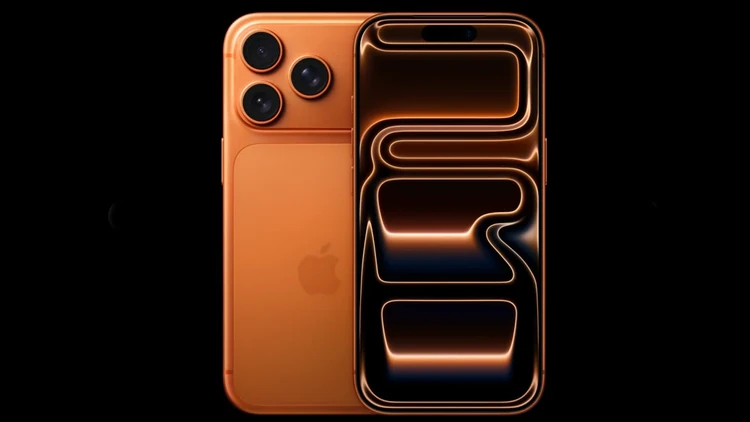
Apple has announced the latest addition to its product lineup – the iPhone 16e.
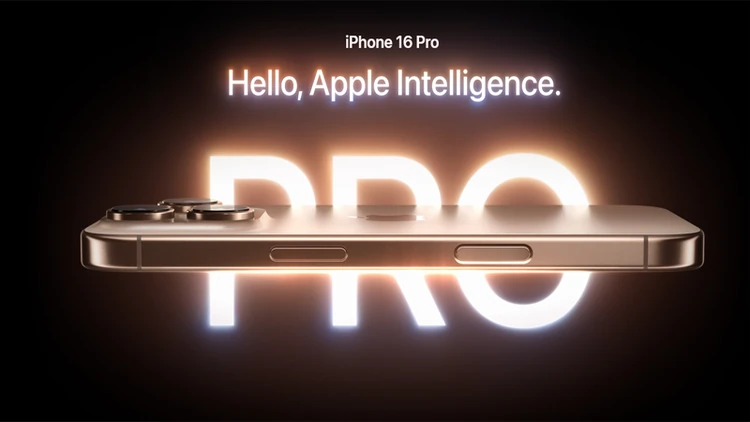
With the new phone, the company is offering a more affordably-priced option for consumers with the same updated features – like a high-quality camera, extended battery life, Apple Intelligence, and more – as the higher-priced iPhones.
“iPhone 16e packs in the features our users love about the iPhone 16 lineup, including breakthrough battery life, fast performance powered by the latest-generation A18 chip, an innovative 2-in-1 camera system, and Apple Intelligence,” Kaiann Drance, Apple’s vice president of Worldwide iPhone Product Marketing, said in a news release.
“We’re so excited for iPhone 16e to complete the lineup as a powerful, more affordable option to bring the iPhone experience to even more people.”
Is it more affordable?
The new iPhone 16e will be available in 59 countries starting Friday, February 28, but consumers can begin preordering it as early as Friday, February 21.
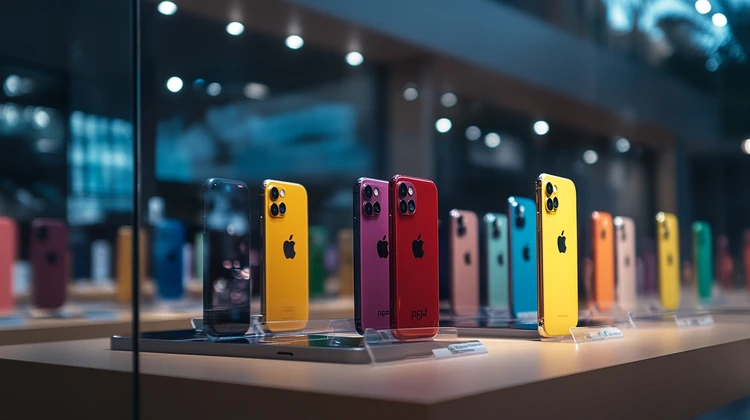
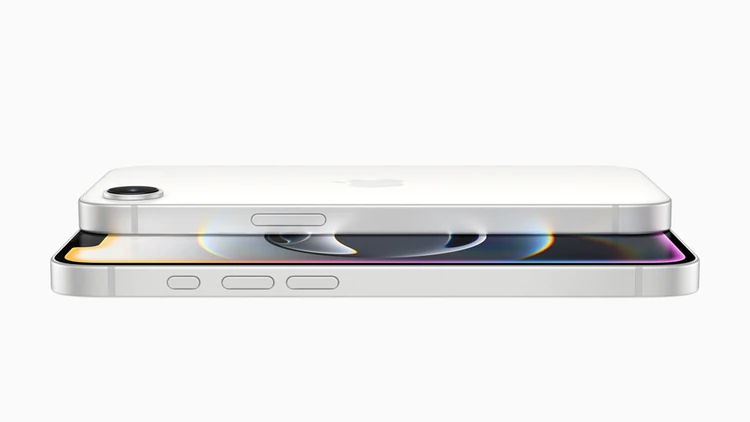
The phone will be available in two matte colors – white and black – and three different storage capacities – 128GB, 256GB, and 512GB.
The starting price for the iPhone 16e is $599 or $24.95/month for 24 months. Comparatively, the most recently released iPhone 16 starts at $799 or $33.29/month for 24 months, and the iPhone 16 Pro starts at $999 or $41.62/month for 24 months.
What can consumers expect?
For many years, Apple had its SE iPhone models, which were smaller, cheaper options for customers. The iPhone 16e builds off of that, while incorporating many of the newer features consumers have come to expect from Apple products.
The iPhone 16e has a 6.06-inch screen, which is nearly the same as the traditional iPhone 16, which has a 6.1-inch screen. The updated model also has Face ID, rather than the Home Button, and will operate with the USB-C charging port.
The new phone will also feature the Action Button, which was a new release on the iPhone 16. Users can customize the Action Button to do a number of things with the tap of a button – switch between ring and silent modes, activate voice memos, quickly open the camera or flashlight, and more.
Also similar to the latest iPhone releases, the iPhone 16e is built with the A18 chip, which makes it compatible with Apple’s latest artificial intelligence features and satellite features when the user is out of cell reception range.
The new phone has only one camera on the back, as opposed to two or three like some of the other new releases, and it doesn’t have the camera activation button. However, users will be able to access Portrait Mode and Night Mode with the iPhone 16e.