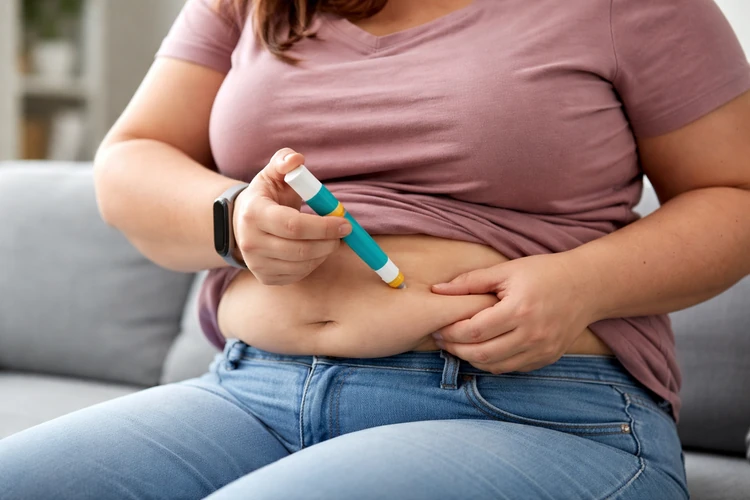
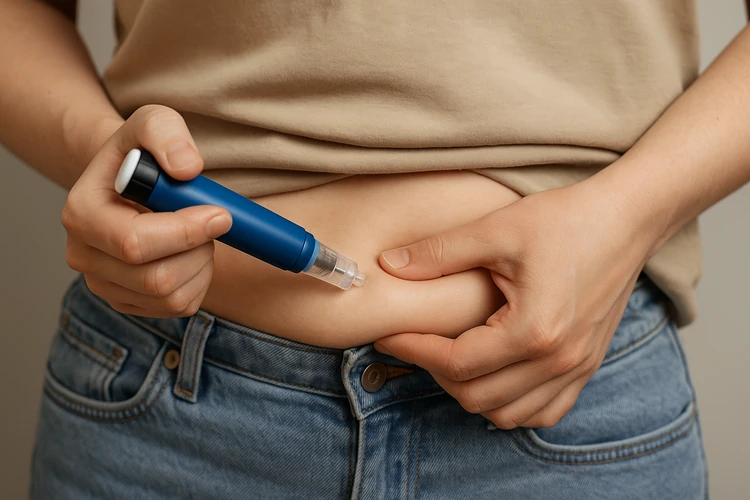
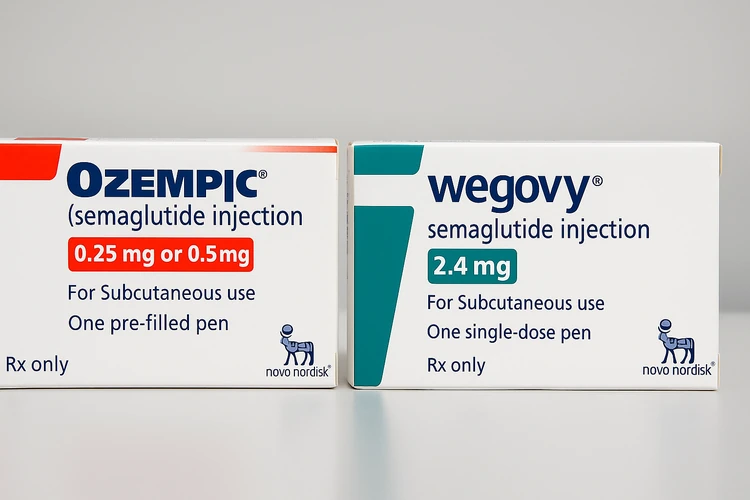
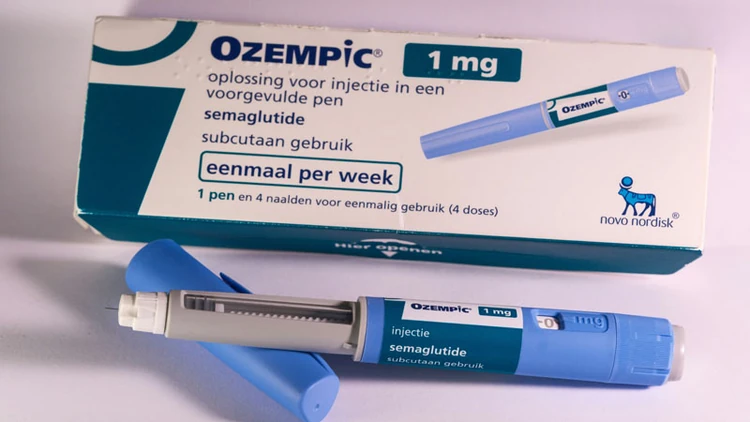
While many consumers have hopped on the Ozempic bandwagon in recent months to help them lose weight, few studies have looked at viable treatment options for children struggling with their weight.
Now, a new study, known as the SCALE Kids trial, has put the obesity drug, liraglutide, to the test in kids as young as 6 years old.
Ultimately, the medication was found to be both safe and effective for children between the ages of 6 and 12.
“Obesity is the most common chronic disease of childhood,” said lead researcher Professor Claudia Fox. “Left untreated, obesity in childhood almost universally persists into adulthood and is associated with significant ill health, including diabetes and cardiovascular disease, and for some, premature death.
“However, effective treatment options to date are limited,” she said. “The backbone of obesity treatment is lifestyle therapy – changes in diet and physical activity – but when used alone, the effect is modest and, as yet, no medication is approved for the treatment of general obesity in children who are younger than 12.
“Liraglutide is approved as an adjunct to lifestyle therapy in adults and adolescents with obesity and, in this study, we explored its safety and efficacy in under-12s,” Fox explained.
A look into the study
The researchers had 82 children involved in the study, all of who were struggling with obesity at the start of the study. In addition to guidance on healthy habits, the kids were divided into two groups – one group of 56 kids received weekly injections of liraglutide, while the remaining 26 kids received a placebo, for 56 weeks.
At the end of the study, the researchers found that liraglutide was effective at lowering kids’ body mass index (BMI). While weight loss was harder to track, as kids are always growing and changing, the findings point towards overall efficacy in getting kids healthier.
BMI went down by 5.8% in the children taking liraglutide, while children in the placebo group saw an increase of 1.6% in their BMI. The study also found that over 46% of kids taking liraglutide saw at least a 5% reduction in their BMI, while 8.7% of children on the placebo drug had the same.
Also of note, the children taking the liraglutide experienced improvements in their blood pressure and blood sugar control – two important markers of metabolic health.
“Although there is no consensus on the definition of a clinically meaningful BMI reduction in children, a 5% reduction has previously been shown to be associated with improvement in some obesity-related health conditions,” Professor Fox said.
When the study concluded and the children stopped taking the drug, they experienced increases in weight and BMI.
Is it safe?
The majority of children in both groups experienced side effects from the drug, but the researchers believe that the positives outweigh the potential negatives.
Around 80% of children taking liraglutide and nearly 54% of children taking the placebo experienced gastrointestinal side effects. Ultimately, 10.7% of the kids taking the drug discontinued treatment because of the side effects, which is aligned with the rate of serious side effects in teens and adults.
“The results of this study offer considerable promise to children living with obesity,” Professor Fox said. “Now with the possibility of a medication that addresses the underlying physiology of obesity, there is hope that children living with obesity can live healthier, more productive lives.”