1. Skip to navigation
  2. Skip to content
  3. Skip to sidebar

Consumer Affairs

Airline Consumer Protection Rules Set to Take Effect

Regs govern a variety of items regarding tarmac delays, including lack of food, toilets


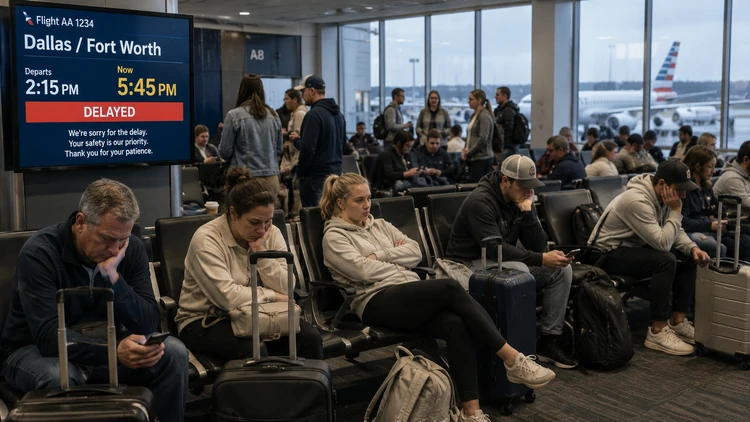
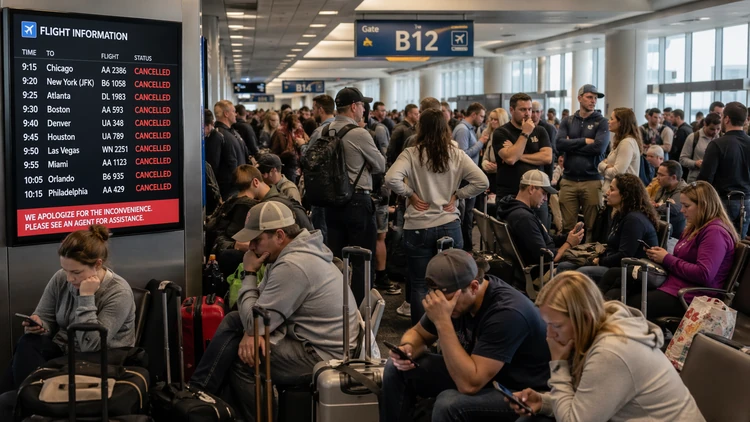
You can say goodbye to the endless hours of squirming on a runway-bound airliner on which there's no food and the toilets are out of order.

A new rule takes effect Thursday that will put a halt to lengthy tarmac delays on domestic flights and provide additional consumer protections to the flying public. "Airline passengers deserve to be treated fairly," said U.S. Transportation Secretary Ray LaHood, "and this new rule will require airlines to respect the rights of their customers."

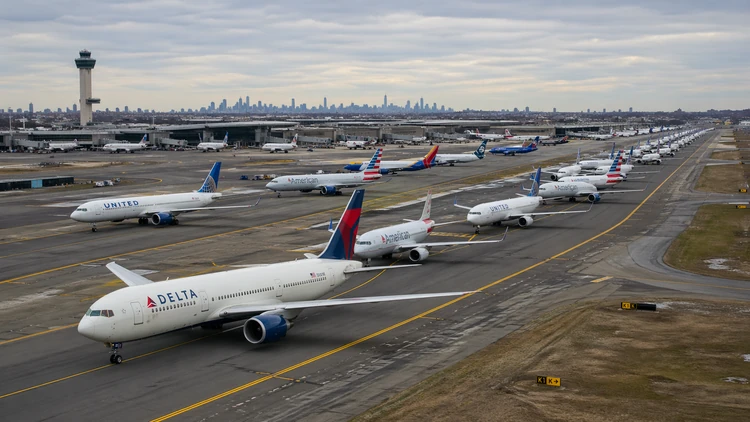
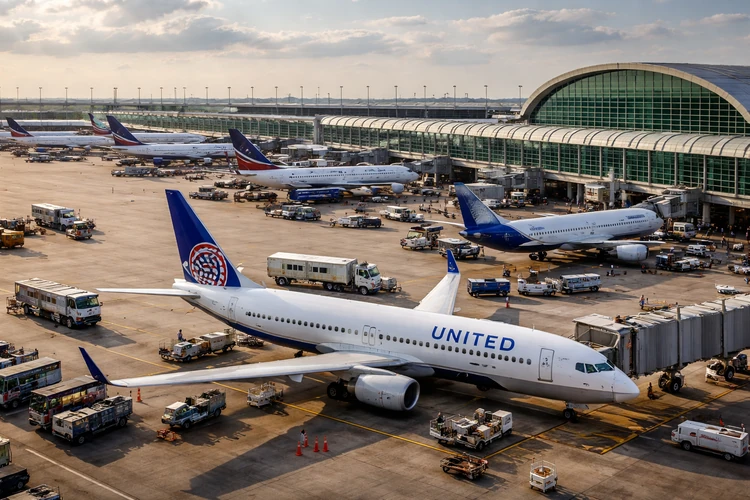
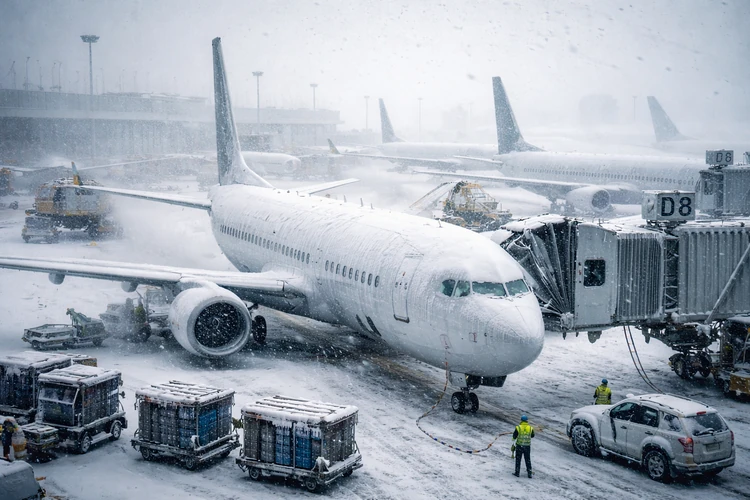
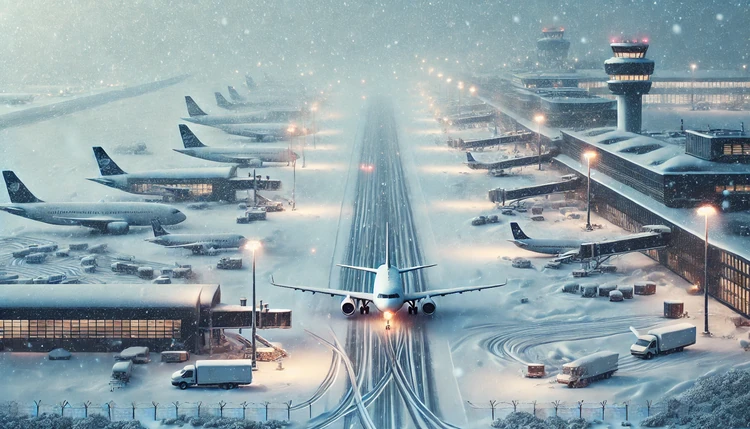
Under the new rule, U.S. airlines operating domestic flights may not permit an aircraft to remain on the tarmac at large and medium hub airports for more than three hours without deplaning passengers. The only exceptions are for safety or security reasons or if air traffic control advises the pilot in command that returning to the terminal would disrupt airport operations.

U.S. carriers operating international flights departing from or arriving in the United States must specify -- in advance -- their own time limits for deplaning passengers, with the same exceptions applicable.

Carriers are required to provide adequate food and potable drinking water for passengers within two hours of the aircraft being delayed on the tarmac and to maintain operable lavatories and, if necessary, provide medical attention.

While some have said the new rule could lead to large increases in the number of canceled flights, the Department of Transportation (DOT) doesn't expect that to be the case. "Everyone knows the rules going in -- the passengers and the airlines," LaHood said. "We expect carriers to take steps to avoid tarmac delays and cancellations by adjusting their schedules and providing timely information to passengers. A little extra planning will minimize disruptions while ensuring that passengers are not trapped aboard airplanes indefinitely."

The rule limiting tarmac delays was adopted in response to a series of incidents in which passengers were stranded on the ground aboard aircraft for lengthy periods.

Stories of delays have taken on legendary proportions.

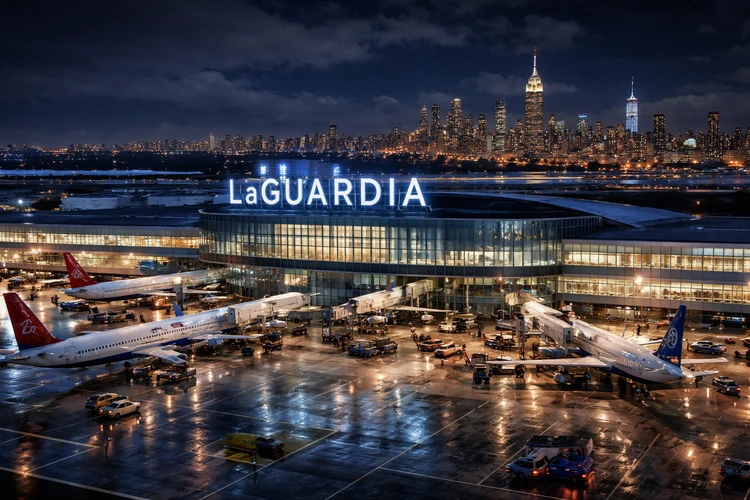
Bethany of Kingwood, TX, wrote ConsumerAffairs.com of being stuck on a Continental Airlines flight going from Houston to New York LaGuardia. "Because of weather problems in NYC, traffic was diverted to Dulles in Washington, D.C. Of course, the airlines assume no responsibility for weather delays; however, our plane also had mechanical difficulties. Long after other planes were back in the air, we sat first on the plane for nearly four hours and then in the terminal."

And then there was the straw that broke the camel's back.

To prevent further occurrences, the rule also:

• Prohibits the largest U.S. airlines from scheduling chronically delayed flights, subjecting those that do to DOT enforcement action for unfair and deceptive practices;

• Requires U.S. airlines to designate an airline employee to monitor the effects of flight delays and cancellations, respond in a timely and substantive fashion to consumer complaints and provide information to consumers on where to file complaints;

• Requires U.S. airlines to adopt customer service plans and audit their own compliance with their plans; and

• Prohibits U.S. airlines from retroactively applying material changes to their contracts of carriage that could have a negative impact on consumers who already have purchased tickets.

In addition, beginning at the end of July, airlines will be required to display on their website flight delay information for each domestic flight they operate.

DOT says plans further protections for air travelers in the coming months. Among the areas under consideration are relating to disclosure of baggage and other fees, and full-fare advertising.


Quantcast