By Martin H. Bosworth
ConsumerAffairs.com
October 22, 2009
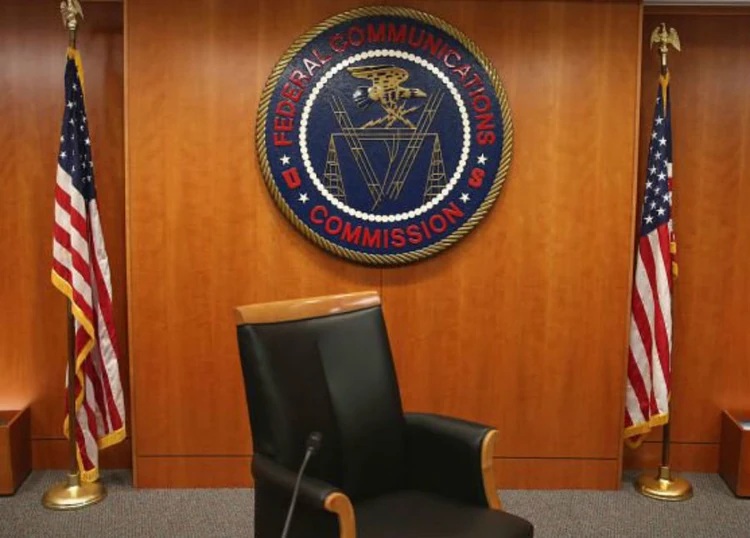
The Federal Communications Commission (FCC) voted unanimously today to begin the process of crafting formal rules for "net neutrality," the principle that all content on the Internet should be equally accessible to all users, and that companies cannot discriminate or block one set of content in favor of another.
The Commission agreed at its monthly open meeting to publish a "Notice of Proposed Rulemaking" that would solicit public comment on how best to create rules for ensuring net neutrality, while enabling Internet service providers and telecom networks to continue policing their systems for spam and illegal content.
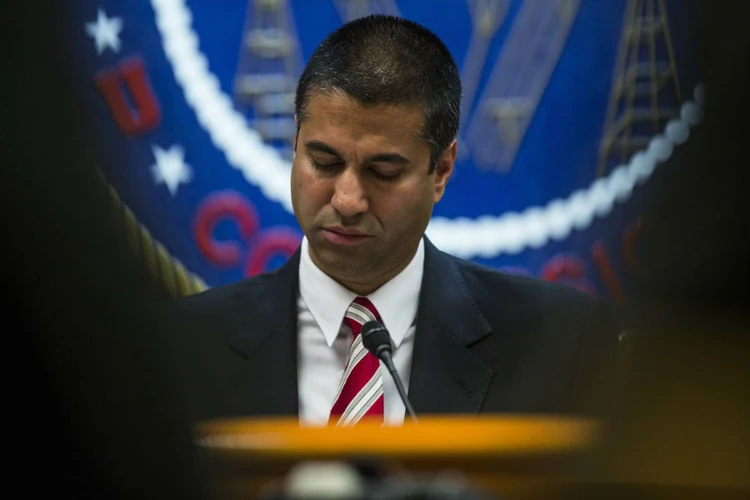
"Any rules we adopt must preserve our freedom to connect, to communicate, and to create that is the wonder of the open Internet," said FCC chairman Julius Genachowski in prepared remarks. "Each and every user of the Internet must have access to an unlimited online universe of ideas and commerce."
Under the proposed rulemaking, net neutrality rules:
would not be allowed to prevent any of its users from sending or receiving the lawful content of the users choice over the Internet;
would not be allowed to prevent any of its users from running the lawful applications or using the lawful services of the users choice;
would not be allowed to prevent any of its users from connecting to and using on its network the users choice of lawful devices that do not harm the network;
would not be allowed to deprive any of its users of the users entitlement to competition among network providers, application providers, service providers, and content providers;
would be required to treat lawful content, applications, and services in a nondiscriminatory manner; and
would be required to disclose such information concerning network management and other practices as is reasonably required for users and content, application, and service providers to enjoy the protections specified in this rulemaking.
Not a clean sweep
Commissioner Michael Copps praised the ruling. "The Internet must never be about powerful gatekeepers and walled gardens," he said. "It must always be about the smoothest possible flow of communications among people."
Although the commission -- 3 Democrats and 2 Republicans -- voted unanimously to support it, several members offered some dissent. "Freedom is best served if we promote abundance, collaboration and competition over regulation and rationing," said Republican commissioner Robert McDowell. "No government has ever succeeded in mandating innovation and investment."
McDowell emphasized that he was voting in favor of the rulemaking process, as opposed to the overall principle, and quoted former President Bill Clinton's support of limited government intervention in the communications marketplace as support for his position..
"Before imposing new rules, we need to carefully think through all potential unintended consequences that could harm consumers by increasing prices, impeding innovation, eliminating choices, and/or reducing quality of service," said new commissioner and former National Telecommunications and Information Administration (NTIA) head Meredith Atwell-Baker.
But Baker's fellow new commissioner Mignon Clyburn used her story of running a small weekly newspaper in her hometown of Charleston, South Carolina -- which eventually closed down -- to illustrate the need for net neutrality. "To me, that is what this proceeding is all about: preventing barriers to entry and ensuring that Americans have access to the best and most useful information and services," she said.
No easy victory
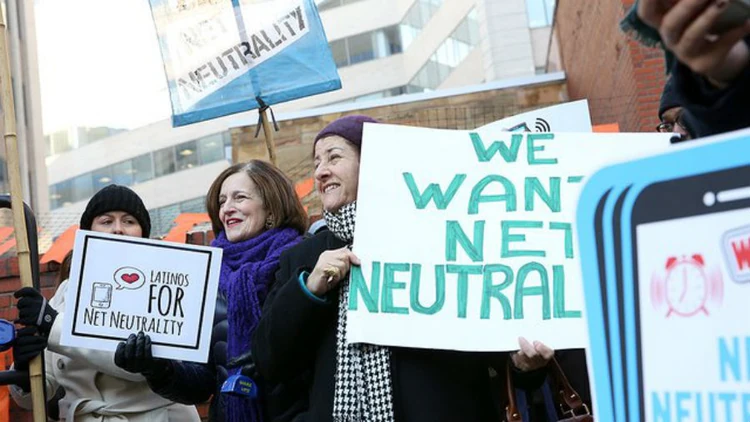
Supporters and opponents of net neutrality alike were already marshaling forces in advance of today's decision. Ben Scott, director of consumer advocacy group Free Press, hailed the vote as "an important step toward securing the open Internet and a victory for the public interest."
Free Press and its opponents, such as AT&T, have been dueling it out in the marketplace over whether or not net neutrality would hamper or spur innovation and investment in America's Internet industry.
AT&T recently circulated a letter among its employees urging them to write the FCC and media outlets with those claims, while Free Press fired back with a report claiming that an open Internet would encourage investment from new companies.
The rules also face a rocky road in Congress. Several Senators have introduced legislation that would codify net neutrality into law, while others are ramping up opposition to the new rules.
Senator John McCain (R-AZ), who opposed net neutrality regulations in his 2008 presidential bid, promptly introduced legislation in the Senate to block the FCC from making its proposed rules law. In a Washington Times editorial, McCain compared the rules to the government's bailouts of the auto and financial industries, as another "power grab" for control.
"These new rules should rightly be viewed by consumers suspiciously as another government power grab over a private service provided by private companies in a competitive marketplace. Does that sound familiar? It should," he wrote.
The Sunlight Foundation and the Center for Responsive Politics recently published a joint report documenting the massive amounts of money donated by telecom companies and their political lobby groups to members of Congress in order to influence their votes -- totaling $9.4 million dollars between January 2007 and June 2009.
The top recipient of donations was Senator McCain.