NEWS    RECALLS    COMPLAINT FORM    SCAM ALERTS   RESOURCES  
Small Claims Guide   Class Actions   Lemon Laws   FAQ   Newsletters  
Share


Complain about a product or service

Automotive    Education    Employment    Electronics    Family    Finance    Health    Homeowners    Insurance    Pets    Shopping    Travel     Print This     Email This    


NEWS   Latest |  Archives |  Auto |  Cells, etc. |  Computers |  Financial |  Health |  Homeowners |  Parents |  Privacy |  Scams |  Seniors |  Travel

Pricey Pet Food Not Necessarily Better

Consumer Reports advises consumers about what to look for on pet-food labels


Advertisement

February 3, 2009

FDA Warns of Salmonella Risk in Beef Hooves, Pig Ears
Iowa Cat Diagnosed with Swine Flu
Wysong Pet Food Pulls Products Due To Mold
Diamond Pulls Premium Edge Cat Food from Shelves
ChemNutra Trial Extended Until June
Pricey Pet Food Not Necessarily Better
Humane Society Accuses Petland of Supporting Puppy Mills
Humane Society Warns Against Buying Puppies from Pet Stores
More Pets Turned Over To Shelters in Ailing Economy
July 4th Can Be Dangerous for Dogs
Summertime Can Be Hazardous to Pets' Health
Kennel Hounded Out of Missouri
FDA 'Reapproves' Heartworm Drug
Menu Foods Settles Pet Food Class Action
Indictments in Toxic Pet Food Case
New York Tops Animal Cruelty List
How Smart is Your Dog?
Cat's Death Blamed on Contaminated Food
Finding Safe Toys to Give Your Pet
China Agrees to Stepped-Up Food, Drug Inspections
Menu Foods Denies Acetaminophen Found in its Cat Food
Entrust Your Pet to a Pet Trust
Secondhand Smoke Bad for Pets
Rawhide From India? Pet Owners Should Think Twice
Common Flame Retardant May Be Killing House Cats
Menu Food CEO "Doesn't Know" How Rat Poison Got into Pet Food
Pet Food Contamination May Be Rat Poison
Reports of Dead Animals Increase as Word of Recall Spreads
Latest Information For Pet Owners
List of Recalled Pet Foods
One in Six Animals Died in Pet Food Tests
Pet Food Recalled After Reports Of Kidney Failure
New Drug Treats Vomiting in Dogs
Salmonella Found in "Wild Kitty" Cat Food
Lost Dogs Found More Often Than Lost Cats
Feds Approve Weight Loss Drug for Dogs
Pocket Pets May Carry Disease
Pets Rescued Faster Than Elderly After 9/11
---
Pet Food Recall
More about Pets

When it comes to buying pet food, higher cost doesn't always mean higher quality. A higher price could indicate better ingredients and better quality control during and after manufacturing, but it could also just mean prettier packaging, more marketing, or a fancy name.

And despite food safety concerns that resulted from a recall of pet food tainted with melamine in 2007, Consumer Reports urges caution for consumers who are considering making their own pet food, a growing trend.

Consumer Reports asked eight experts in dog and cat nutrition at seven top veterinary schools what consumers get by spending more for pet food. They were also asked what they served their own pets: Most of the experts said they use a variety of common brands sold at pet stores or supermarkets.

A recent survey by the Associated Press found that although Americans may be spending less on themselves, they're not scrimping on their pets. According to the survey, just one in seven pet owners said they had curtailed spending on their pet during the past year, even as they cut back on other expenses.

Thirty-seven percent of U.S. households have dogs, and 32 percent have cats. But because of multi-cat households, felines outnumber canines. As of 2007, there were almost 82 million cats and 72 million dogs.

The bottom line: It's more important to look for the overall nutrient profile of a particular pet food brand than it is to shop by price or even individual ingredients. "As a pet owner, your main goal is to ensure that your animal is active and healthy," says Jamie Hirsh, associate health editor at Consumer Reports. "That suggests that the food you're buying is doing its job. But it's also important to know that you don't have to choose the most expensive food to get what's best for your pet. Look for food labeled 'complete and balanced,' which indicates it can be the pet's sole nourishment."

Hirsh advises pet owners to look for labels stating that the food's nutritional adequacy was validated by animal-feeding tests based on protocols from the American Association of Feed Control Officials, a regulatory group. That statement is a step above the other one that AAFCO allows — that a food was formulated to meet the group's nutrient profiles. "In addition, make sure the package has contact information for the food's manufacturer, in case you have questions," Hirsh says.

Consumers should also take into consideration the age of their pet and whether he or she has special needs. For example, cats with kidney or urinary problems might benefit from the moisture in wet food, while animals with dental issues might do better with dry food.

What pet food labels really mean

For pet food, there's no official definition of organic, human-grade, premium, no fillers, or gourmet. Gluten-free foods are generally necessary only for the tiny percentages of pets that are intolerant of that protein. There's some evidence that antioxidants — such as vitamin E — and some omega-3 fatty acids might enhance pets' immunity or help protect against certain diseases, but the experts interviewed by Consumer Reports were split on whether consumers need to look for them.

Consumer Reports recommends that consumers educate themselves about pet food labeling, which is mostly defined by AAFCO, which sets standards for pet food manufacturing. Here are some examples:

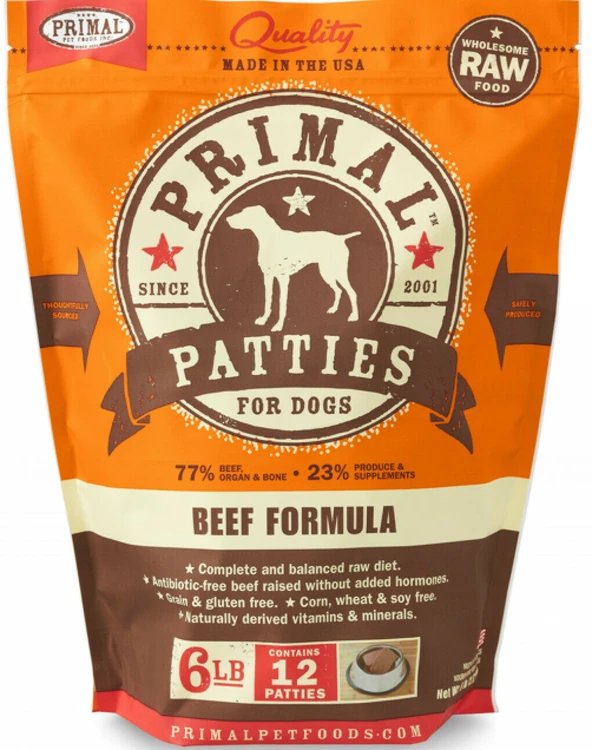
• The 95 percent rule (Beef for Dogs). Named ingredient(s) must account for a least 95 percent of the product by weight.

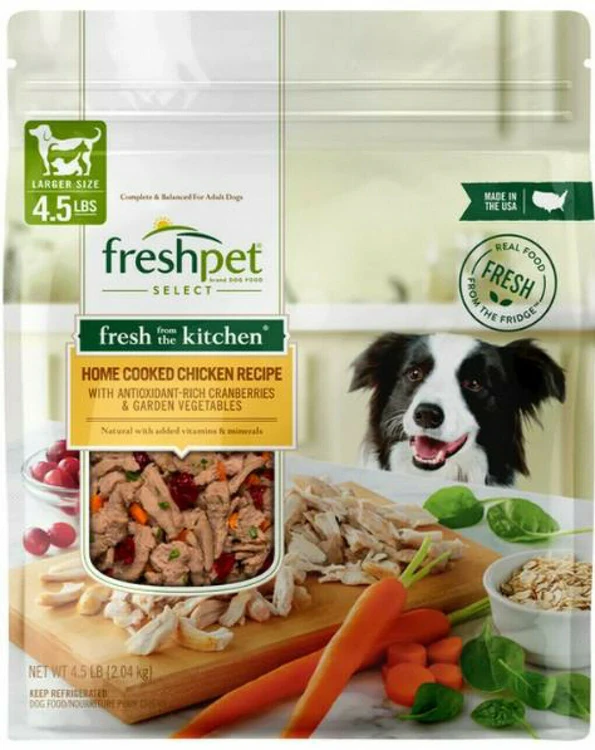
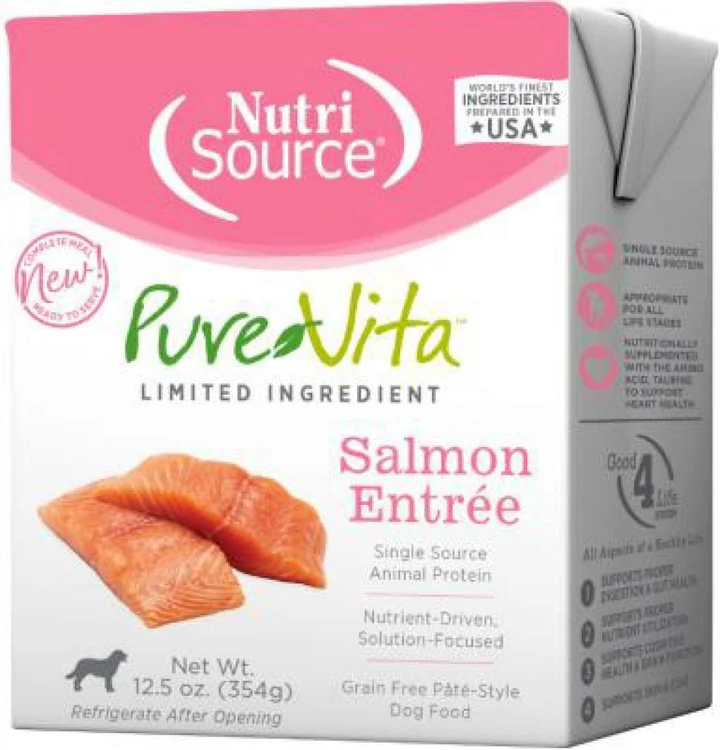
• Dinner; also EntrĂ©e, Formula, Nuggets, Platter, Recipe (Chicken and Salmon Dinner for Cats). The named ingredients must make up at least 25 percent of the product by weight, not counting water. Each individual food must make up at least 3 percent.

• "With..." (Gourmet Fillets with Turkey for Dogs). Contains 3 percent or more of the named ingredient.

• Flavor (Beef flavor). No specific percentage required, but the product must contain enough of the food to impart the claimed flavor, or another substance that tastes like it (beef stock, for example).

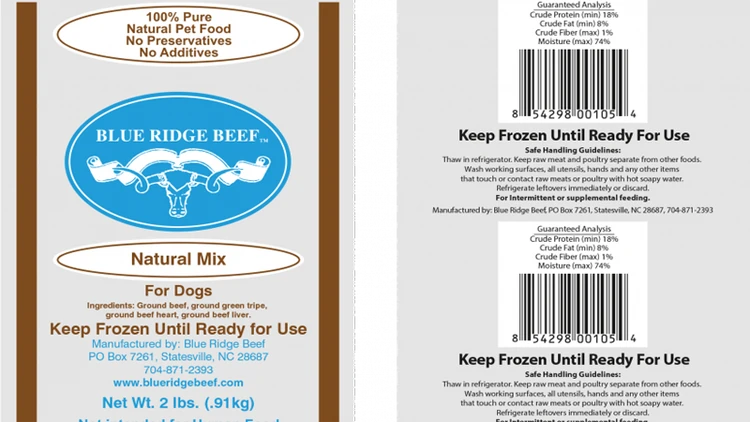
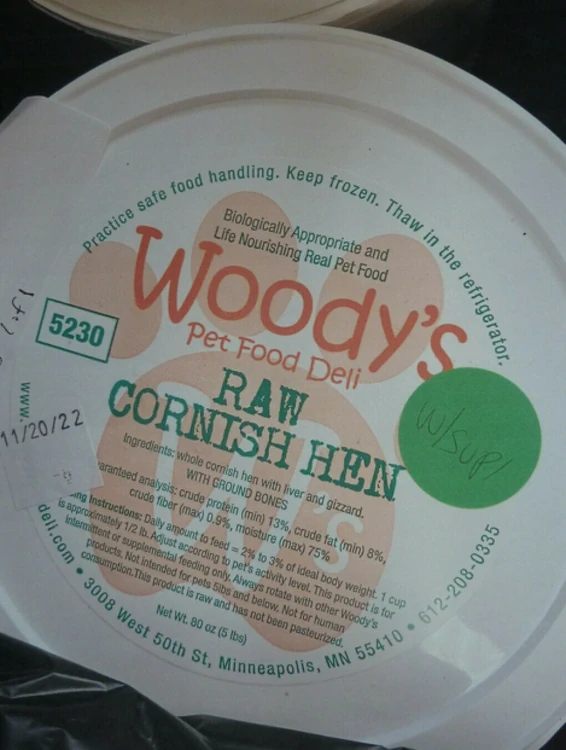
• Guaranteed analysis. Mandatory guarantee that the food contains the labeled percentages of crude protein, fat, fiber, and moisture.

• Light, lite, low-calorie. Meets AAFCO limits for a reduced-calorie diet for overweight dogs and cats. "Lean" and "low-fat" have a similar meaning for fat.

• Natural. Technically, the food has few or no synthetic ingredients. But the claim is loosely defined.

• Grain-free. Protein in the product comes from nongrain sources (perhaps for people who want pets to eat more animal protein). It's unclear whether there's any benefit to a diet high in animal protein.

What consumers can do

Consumer Reports offers this advice to pet owners:

Be careful when making your own pet food. Most experts said they hadn't seen a pet get sick from inexpensive food; however, half said they had seen pets become ill from eating homemade pet food, a growing trend since the 2007 recall of some commercial pet food contaminated by melamine. Dogs and cats each require about 40 different nutrients in very specific proportions, so pet owners who insist on making their own pet food should consider enlisting a nutritionist certified by the American College of Veterinary Nutrition (www.acvn.org) or get help from the Web sites www.balanceit.com or www.petdiets.com.

Consider your pet's age. Age-specific food is very important for puppies, kittens, and pregnant pets, who have especially stringent nutritional needs. Foods labeled either "for growth" or "for all life stages" meet those needs. Foods "for maintenance" are for healthy adult animals only. "Senior" is a marketing term, not a nutritional term.

Weigh the costs and benefits of wet versus dry food. There's no nutritional difference between wet and dry pet food, but there is a cost difference. Wet foods contain about 75 percent water, so pets need more to get the same calories, and that makes wet food more expensive per serving.

The full report is available in the March 2009 issue of Consumer Reports and online at www.ConsumerReportsHealth.org.


Report Your Experience
If you've had a bad experience -- or a good one -- with a consumer product or service, we'd like to hear about it. All complaints are reviewed by class action attorneys and are considered for publication on our site. Knowledge is power! Help spread the word. File your consumer report now.

Share

Follow us on Twitter.

FREE CONSUMER NEWSLETTERS

The Daily Consumer
Afternoons M-F

Sign up now!


Consumer News & Alerts
Every Sunday

Sign up now!


CONSUMER NEWS

SAFETY RECALLS


Advertisement


Custom Search
AUTOMOTIVE
• Dealers
• Manufacturers
• Service
• Extended Warranties
• Lemon Laws
• Recalls
• Tires
• Transporters

FAMILY
• Aging
• Children, Parenting
• Recalls
• Dating
• Education
• Entertainment
• Pets
• Weddings
FINANCE
• Annuities
• Banks
• Credit Cards
• Debt Collection
• Debt Counseling
• Insurance
• Investing
• Loans
• Mortgages
• Payday Loans
• Student Loans
• Tax Prep

HEALTH
• Doctors
• Drugs, Pharmacies
• Health Clubs
• Hearing Care
• Hospitals
• Nursing Homes
• Nutrition, Diets
• Vision Care
• Weight Loss
HOUSE & HOME
• Appliances
• Cookware
• Furniture
• Home Improvements
• Lawn & Garden
• Movers
• Pools & Spas
• Realtors, Rental Agents
• Recalls
• Utilities

ELECTRONICS
• Cable TV/DBS
• Cameras
• Cell Phones
• Computers
• Home Electronics
• Internet Access
• Local Phone Service
• Long Distance
• VoIP
SHOPPING
• In-Home
• Online
• Retail Stores
• Sporting Goods
• Supermarkets
• Telemarketers

TRAVEL
• Airlines
• Bus Lines
• Car Rental
• Cruises
• Hotels
• Travel Agents
• Trains

RESOURCES
• Class Actions
• Complaint Form
• Small Claims Guide
• Lemon Laws
CONSUMER NEWS
• Latest News
• Automotive
• Telecom
• Financial
• Health
• Homeowners
• Scams
• Seniors
• Travel
• More ...

RECALLS
• Automotive
• Children's Products
• Drugs
• Food
• Household Products
• Sporting Goods

ABOUT US
• FAQ
• Privacy Policy
• Advertise With Us
• Newsroom
• Syndication
• Terms of Use

Terms of Use Your use of this site constitutes acceptance of the Terms of Use

Advertisements on this site are placed and controlled by outside advertising networks. ConsumerAffairs.com does not evaluate or endorse the products and services advertised. See the FAQ for more information.

Company Response Welcome If complaints about your company appear on our site, we welcome your response. Please see the Response Form for more information.

For more information, see the FAQ and privacy policy. The information on this Web site is general in nature and is not intended as a substitute for competent legal advice.  ConsumerAffairs.com Inc. makes no representation as to the accuracy of the information herein provided and assumes no liability for any damages or loss arising from the use thereof. 

Copyright © 2003-2009 ConsumerAffairs.com Inc.  All Rights Reserved.    The contents of this site may not be republished, reprinted, rewritten or recirculated without written permission.