


| Quicksilver from Capital One | U.S. Bank Visa Platinum Card | Chase Freedom Unlimited | Citi Simplicity Card | SavorOne Rewards from Capital One | Chase Slate Edge | Citi Double Cash Card | |
|---|---|---|---|---|---|---|---|
| Our pick for | Long-term rewards | New purchases | High rewards | Long 0% APR period | Dining and entertainment | No annual fee | Cash back |
| Minimum credit score | Excellent | Good to excellent | Good to excellent | Good to excellent | Excellent | Good to excellent | Good to excellent |
| Balance transfer intro offer | 0% APR for 15 months | 0% APR for 21 billing cycles | 0% APR for 15 months | 0% APR for 21 months | 0% APR for 15 months | 0% APR for 18 months | 0% APR for 18 months |
| Balance transfer fee | 0% - 3% | 3% | 3% - 5% | 3% - 5% | 0% - 3% | 3% - 5% | 3% - 5% |
Our top 7 picks for balance transfer credit cards
- Our pick for long-term rewards: Quicksilver from Capital One
- Our pick for new purchases: U.S. Bank Visa Platinum Card
- Our pick for high rewards: Chase Freedom Unlimited
- Our pick for long 0% intro APR period: Citi Simplicity Card
- Our pick for dining and entertainment: SavorOne Rewards from Capital One
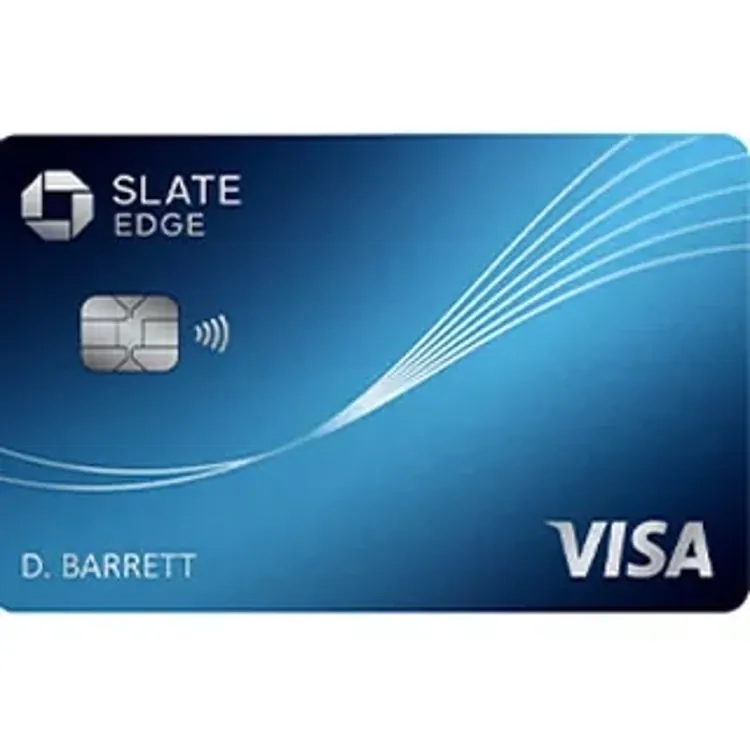
- Our pick for no annual fee: Chase Slate Edge
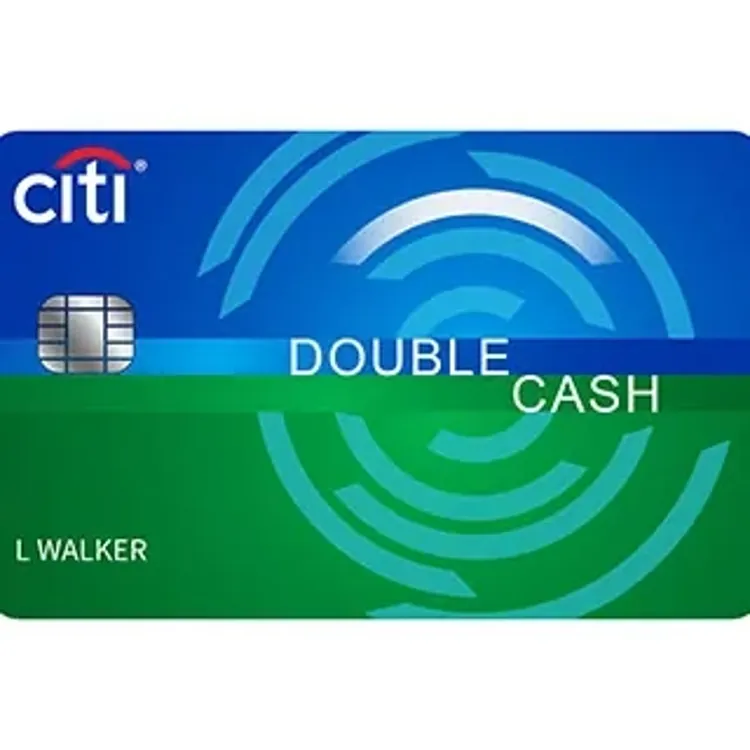
- Our pick for cash back: Citi Double Cash Card
Our picks may be Authorized Partners that compensate us. This does not affect our recommendations or evaluations but may impact the order in which companies appear. For more details on how we selected our top picks, read our full methodology.
Quicksilver from Capital One

U.S. Bank Visa Platinum Card

Chase Freedom Unlimited

Citi Simplicity Card

SavorOne Rewards from Capital One

Chase Slate Edge
Citi Double Cash Card
Compare 0% APR balance transfer credit card offers
Compare our choices for the best balance transfer credit cards, factoring in APR, how long the promotional rates last and the balance transfer fees that apply.
| Card* | Promotional offer |
|---|---|
| Quicksilver from Capital One | 0% APR on balance transfers and purchases for the first 15 months, with a 3% balance transfer fee |
| U.S. Bank Visa Platinum Card | 0% APR on balance transfers and purchases for 21 billing cycles, with a 3% balance transfer fee |
| Chase Freedom Unlimited | 0% APR on balance transfers and purchases for the first 15 months, with a 3% balance transfer fee for the first 60 days and a 5% transfer fee after that |
| Citi Simplicity Card | 0% APR on balance transfers for the first 21 months (3% balance transfer fee) and 0% APR on purchases for the first 12 months |
| SavorOne Rewards from Capital One | 0% APR on balance transfers and purchases for the first 15 months, with a 3% balance transfer fee |
| Chase Slate Edge | 0% APR on balance transfers and purchases for the first 18 months, with a 3% balance transfer fee for the first 60 days and a 5% transfer fee after thate |
| Citi Double Cash Card | 0% APR on balance transfers for the first 18 months, with a 3% balance transfer fee |
What is a balance transfer credit card?
A balance transfer credit card can be used to pay off debts from other creditors. This can consolidate multiple debts into one new balance and payment, typically at a low APR for a temporary period. After the promotional APR period ends, any unpaid balance remaining on the balance transfer card becomes subject to the card’s higher, standard interest rate.
Most credit card issuers charge a fee of 3% to 5% when transferring debts to their balance transfer credit cards. For a $5,000 balance transfer, that equates to a fee of $150 to $250. You should factor these costs into your decision to transfer a balance from one card to another.
Note that most credit card issuers will not allow you to transfer a balance from one of their credit cards to another of their credit cards.
What to look for in a balance transfer credit card
Balance transfer cards come with different features and rewards, as well as varying fees and restrictions. Compare these details before selecting the best card for your situation:
- Promotion length: How long will the low APR last while you pay down your transferred balance? Look for promotional periods of at least 12 months.
- Promotional balance transfer rate: The best balance transfer credit cards offer a 0% intro APR.
- Promotional purchase rate: Some cards include only balance transfers and not new purchases in an introductory APR period. Be aware of your card’s policy, as you may end up owing high interest on any purchases you make.
- Standard interest rate: What rate does the credit card charge if you have a balance remaining when the promo rate expires?
- Balance transfer fee: Banks typically charge a balance transfer fee of 3% to 5% of the amount transferred. There's also usually a minimum transfer fee of $5 to $10 on smaller transfers.
- Transfer window: Most balance transfer credit cards require you to complete a balance transfer shortly after opening your new card in order to qualify for the promotional APR. This window may range from 60 days to four months.
- Annual fee: Avoid balance transfer credit cards that charge annual fees. It’s an unnecessary expense.
- Rewards: Some cards earn points or cash back for your spending, while others don't offer any rewards.
- Benefits: Cards may offer travel or purchase protections, waive foreign transaction fees or provide free credit scores each month, among other benefits.
How to do a balance transfer
If you're ready to eliminate high-interest debt with a balance transfer, here’s how to do it:
- Gather details of your balances to transfer. Make note of all the balances and account numbers of your debts. You’ll provide this information either during the application process for the balance transfer card or once your account has been approved.
- Apply for a balance transfer credit card. Fill out the application and wait for approval. Most card issuers offer instant approvals, while others will notify you within about 10 days.
- Initiate the balance transfer. Once your account is open, contact customer service or submit your balance transfer information online through your account dashboard. Some banks also provide balance transfer checks that you can use to pay off your existing debts.
- Wait for the balance transfer payments to post. It can take around 10 days or so for a balance transfer to be processed, and many transfers have to be completed within 60 days of your new balance transfer card’s issue. In the meantime, keep paying down your existing debts. You do not want to miss a payment because you assumed the transfer was completed.
- Decide whether to keep your accounts open. Credit utilization is a big factor in your credit score. It may be a good idea to keep revolving credit accounts open, even after they’ve been paid off, as this can improve your credit utilization ratio. However, it may be hard to resist spending on the old cards again. If this is your situation, consider closing the accounts or hiding the cards so you don't overspend.
» MORE: What affects your credit score?
FAQ
Is there a limit to how much you can balance transfer?
Many credit card issuers allow you to transfer up to your new card's limit, including balance transfer fees. For example, the maximum balance transfer on a credit card with a 5% balance transfer fee and a $6,000 limit is $5,700 after accounting for the fee of $300.
How many cards can you balance transfer?
There isn't a hard limit to the number of credit cards that you can balance transfer. However, each card issuer may have a limit, and your overall credit limit on the new card may prevent you from consolidating all of your debt into one account.
Do balance transfers hurt your credit?
Balance transfers can affect your credit in both positive and negative ways. Opening a new card can cause a slight hit to your credit score, as it places a hard inquiry on your credit and lowers the average age of your accounts. However, it can also boost your score by reducing your overall credit utilization. Also, temporarily eliminating interest charges allows more money to go toward reducing your balance, which improves your score.
Is a balance transfer better than a loan?
There are pros and cons to using balance transfers instead of a loan. Balance transfers offer no-interest financing for a period of time, but any unpaid balance reverts to the card’s standard interest rate after the promotional period ends. A loan’s APR will be higher than the 0% APR you’re temporarily given for a balance transfer. But loans typically offer fixed monthly payments with a fixed APR, and your balance is paid off at the end of the loan term.
Is a balance transfer considered a payment?
A balance transfer is considered a payment toward the debt it pays off, so it counts toward meeting your minimum monthly payment.
Bottom line
Balance transfer cards are a great way to consolidate your debt. They often have a 0% intro APR that can help you pay off debt faster. If you have at least a good credit score (about 670 or so), you can qualify for one of the best balance transfer credit cards.
When comparing card options, pay attention to the details. The length of the intro APR period, the fees that apply and how long you have to complete your transfer are important factors. Additionally, a card with ongoing benefits and rewards will be a solid option for everyday use after your balances have been paid off.
Methodology
To make our top picks, the ConsumerAffairs team compared 32 different cards from major financial institutions — including American Express, Bank of America, Chase, Capital One, Citibank, U.S. Bank and Wells Fargo — that offered balance transfer promotions as of the publication date. We reviewed these cards for a variety of factors, including fees, intro APR, promotion length, ongoing benefits and consumer reviews.
- Fees: We compared cards with no or low annual fees and low balance transfer fees to ensure the lowest cost for consumers to do a balance transfer.
- Intro APR: All cards chosen have an introductory 0% APR on balance transfers. However, we also considered whether the intro APR is offered on new purchases, which helps cardholders avoid interest charges on everyday spending.
- Promotion length: We searched for long APR promotions to allow cardholders more time to repay their debt. We also compared how long borrowers have to take advantage of the balance transfer. Some banks allow transfers at any time during the promotion, while others have limits of 60 days to four months.
- Ongoing benefits: We considered perks like cash-back rewards, travel insurance and purchase protection, as these ongoing benefits can serve the cardholder even after the APR promotion expires.
- Consumer reviews: We analyzed our own ConsumerAffairs reviews for cards that offer strong customer service, easy transfer processes and noteworthy perks. For all cards listed, we acknowledged if they had mixed reviews.
Article sources
- Equifax, " Can a Credit Card Balance Transfer Impact Your Credit Score? " Accessed April 21, 2023.
- FICO, " What's in my FICO Scores? " Accessed April 21, 2023.